

BCG X × MetLife
Designing MetLife's "Customer for Life" - A Financial Wellness Innovation Sprint

Quick Brief - for the hiring manager
The Brief: Find MetLife's "Lifetime Partner" Opportunity
MetLife came to BCG Digital Ventures with a strategic question: where should they place their next major product bets in financial wellness? Not as an insurance provider - but as a trusted lifetime financial partner. This was a zero-based innovation engagement: no existing product to iterate on, no inherited design system, and a 12-week runway to produce a board-ready business case.
Experience & Interaction Design
Led design of all product provocations - lo-fi concepts used to test ideas with real users in the second round of interviews.
Visual Systems & Frameworks
Designed all journey maps, 2×2 matrices, archetype frameworks, and the final business proposal deck presented to MetLife leadership.
Strategic Research Partner
Embedded across the full design thinking process - from user interviews to brainstorming, synthesis, and archetype definition.
Business Case Design
Translated design insights into a structured business proposal - working directly with BCG consultants on market sizing, cost estimates, and profit-over-time projections.
An Aggressive 3-Month Innovation Sprint
BCG Digital Ventures runs condensed, high-velocity innovation engagements. In 12 weeks, we moved from zero to a fully validated, board-ready product strategy - with four distinct phases, each with clear deliverables and decision gates.
| Phase | Focus | Key Output |
|---|---|---|
| Articulate | Define the north-star vision for MetLife as a lifetime financial partner | Strategic brief, research plan |
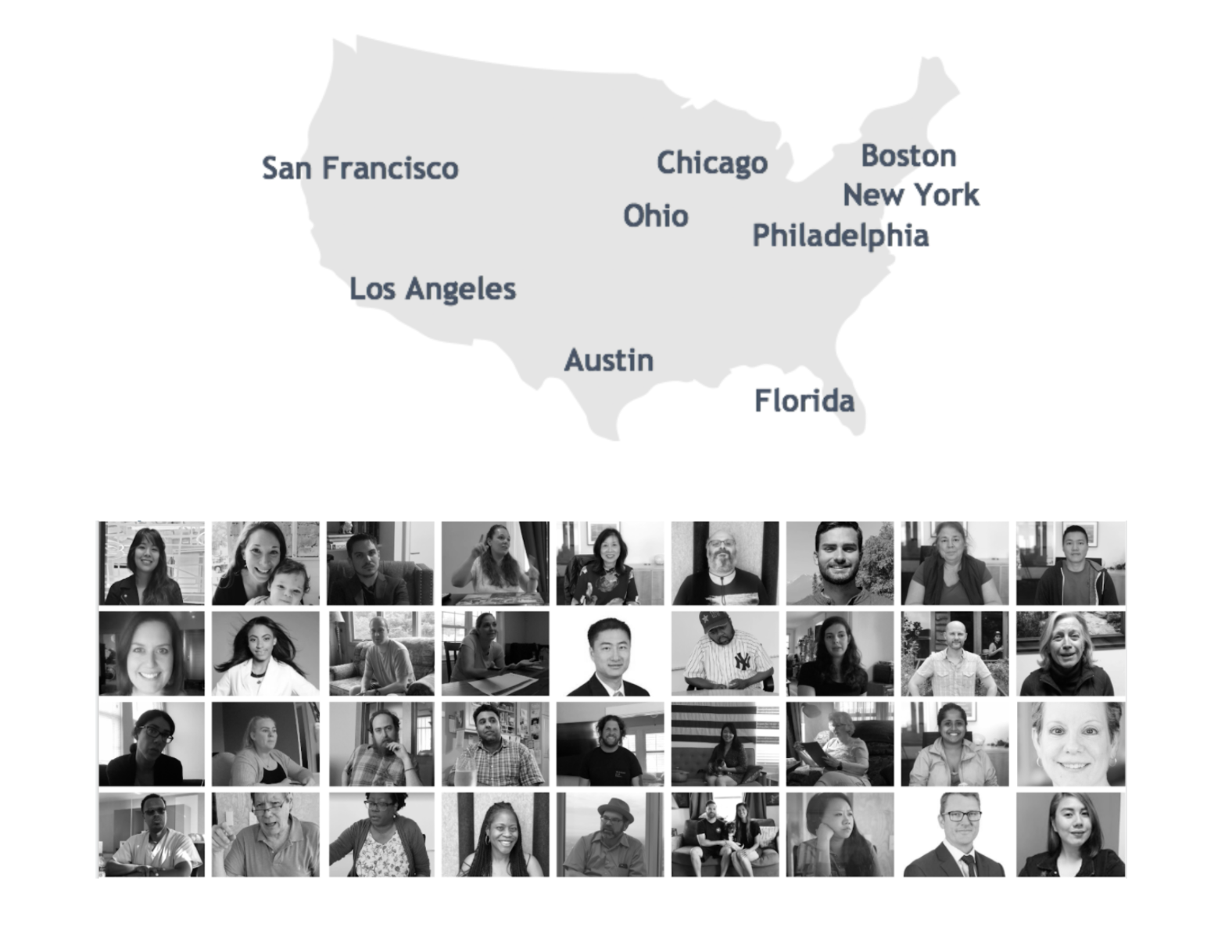
| Deep Dive | Immersive research into financial wellness and career transitions across 9 cities | Interview synthesis, personas, journey maps |
| Validate | Test opportunity spaces and MetLife's right to win via product provocations | 3 validated archetypes, prioritized opportunity spaces |
| Strategic Story | Build the growth narrative and financial business case for client decision | Board-ready proposal, lo-fi prototype video |
Zero-Based User Research Across 9 U.S. Cities
We ran a comprehensive, multi-city user research program to understand how Americans across different life stages, income levels, and employment types navigate their financial lives - and where the pain is deepest.
| Method | What We Learned |
|---|---|
| 1:1 Interviews | Surfaced emotional blockers - shame, overwhelm, and fear of "getting it wrong" were more prevalent than knowledge gaps. Conducted in two rounds: discovery + validation. |
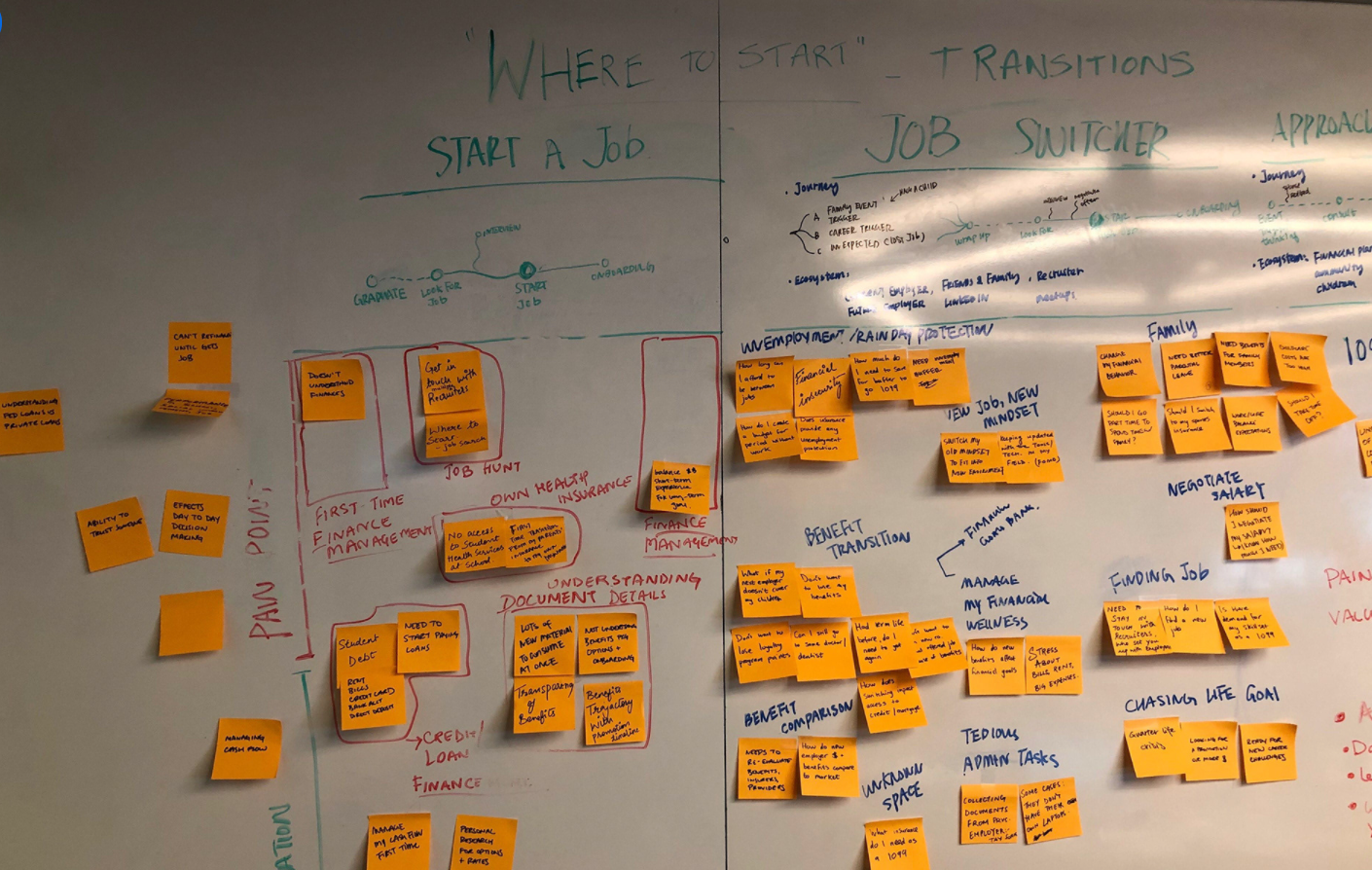
| Pain Point Clustering | Grouped debrief data by employment type and life stage to find structural patterns, not just surface complaints. |
| 2×2 Matrix | Mapped users on income stability vs. financial ecosystem sophistication - the pivotal tool that transformed raw data into 3 defensible archetypes. |
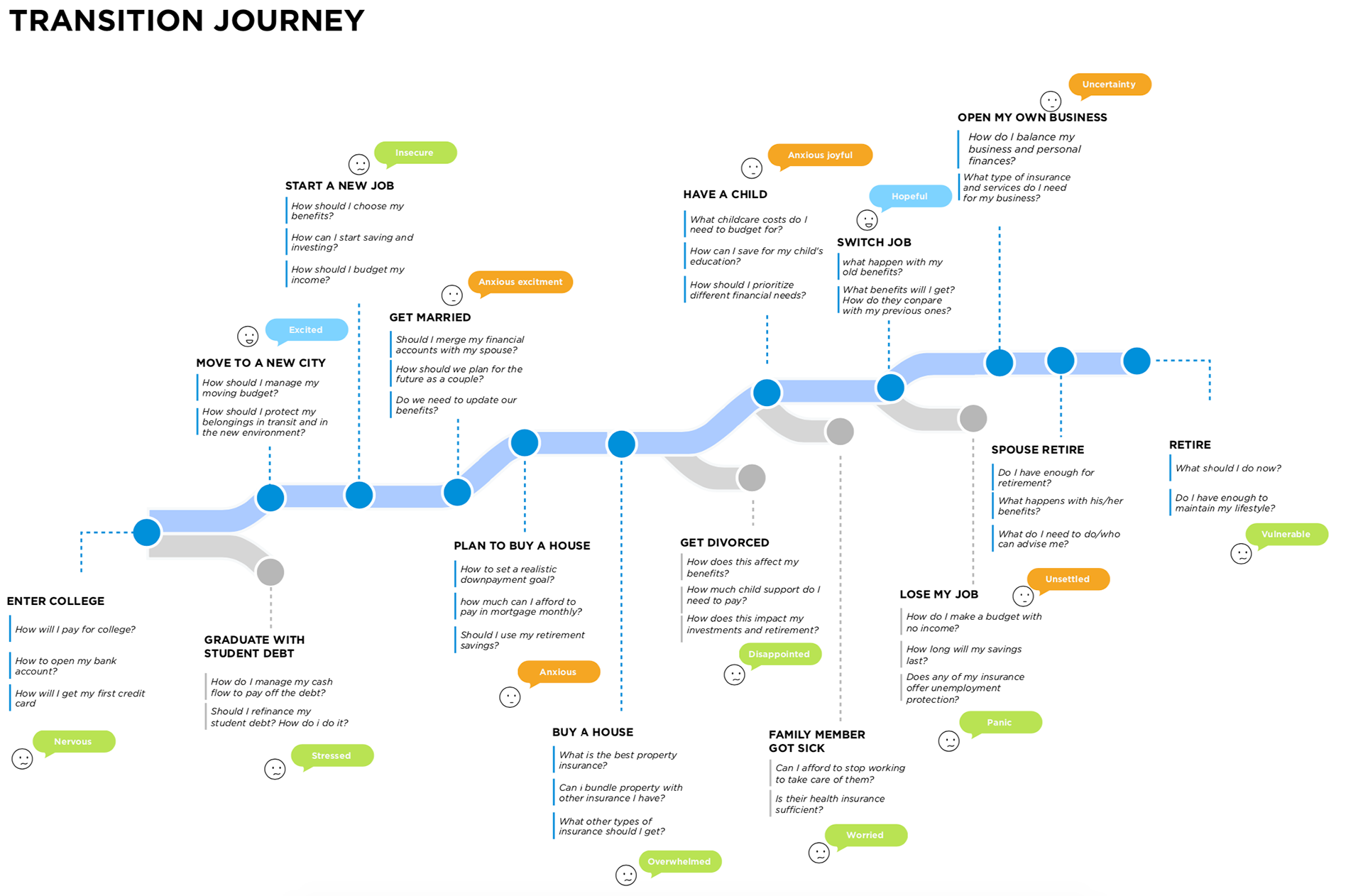
| Journey Mapping | Mapped full employment lifecycle from graduation to retirement, with all 3 archetypes in a single flow to surface shared intervention moments. |
| Product Provocations | Lo-fi paper concepts designed for speed and testability - used to validate which ideas had genuine behavioral pull. |
| Competitive Analysis | Identified white space: no existing product bridged financial literacy with personalized human guidance across career transitions. |
Mapping Users to Archetypes
I designed and facilitated a 2×2 mapping exercise to plot user profiles across two axes: income stability vs. sophistication of financial ecosystem. This was the pivotal analytical tool that transformed a messy spread of interview data into three crisp, defensible user archetypes - each representing a distinct product opportunity for MetLife.
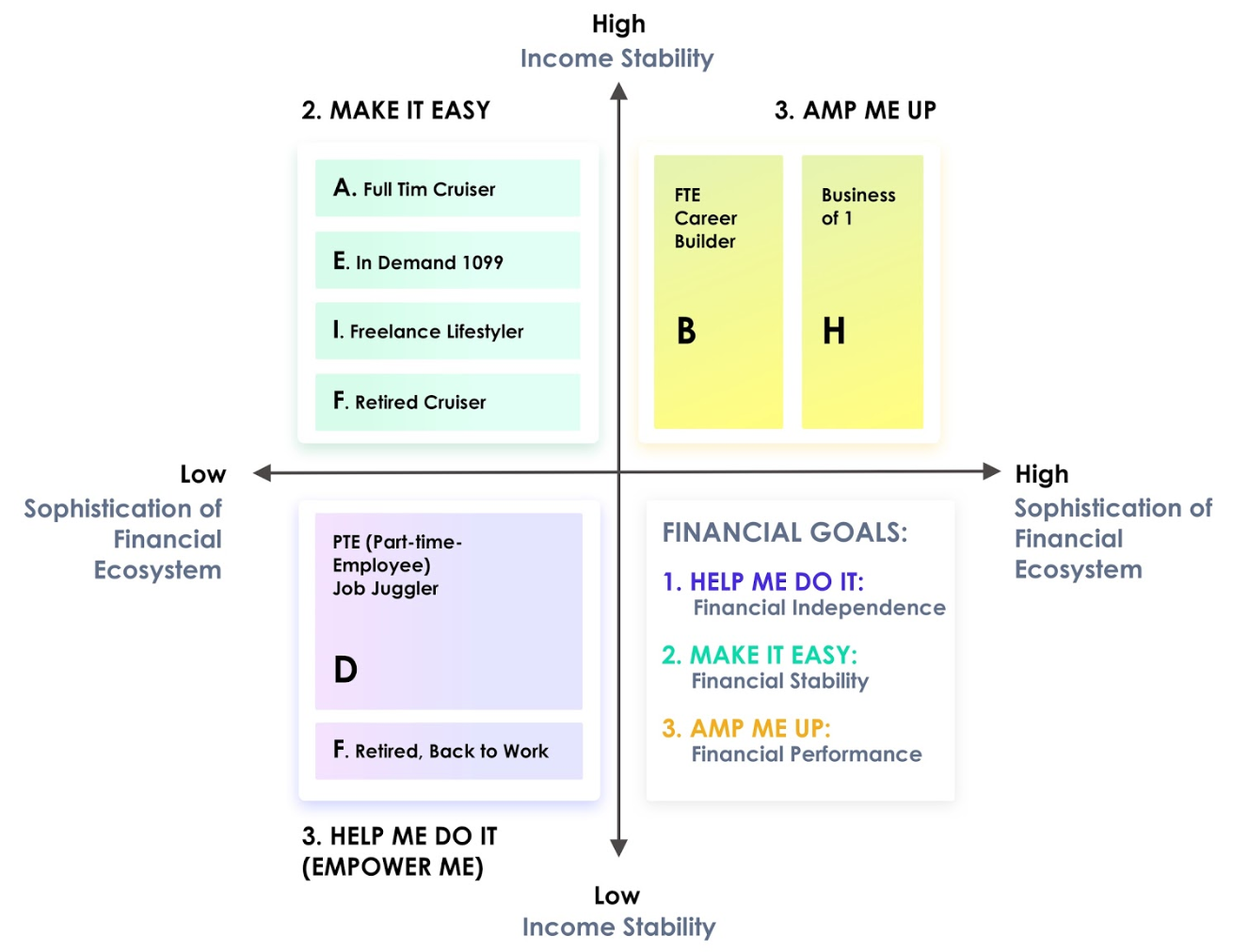
Three Behavioral Segments, Three Product Opportunities
Mapping the Full Financial Life Arc
I designed a master journey map that plotted all three archetype paths across the full employment lifecycle - from graduation to retirement. Rather than three separate maps, we consolidated into a single flow to surface the shared intervention moments where MetLife could play a meaningful role across all segments.
I developed rich personas for each archetype, pulling directly from interview data - covering financial goals, pain points, trusted brands, how to reach them, financial wellness priorities, and behavioral patterns.
Brainstorming Into Testable Concepts
With archetypes and journey maps locked, I led product brainstorming sessions to generate potential intervention concepts. We sorted needs by difficulty of achievement, then voted on the most impactful - narrowing a sprawling pain-point list into a focused set of design bets.
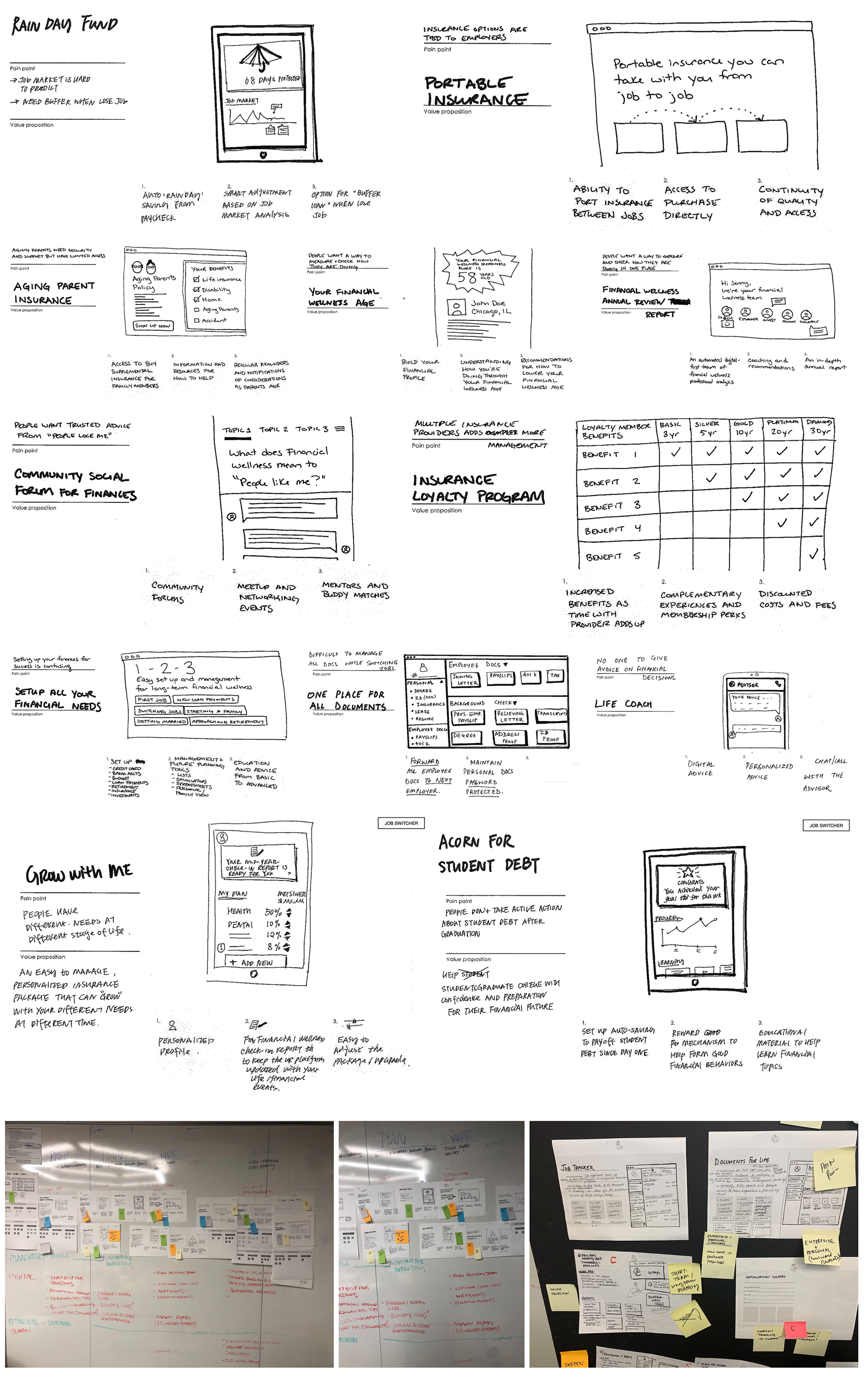
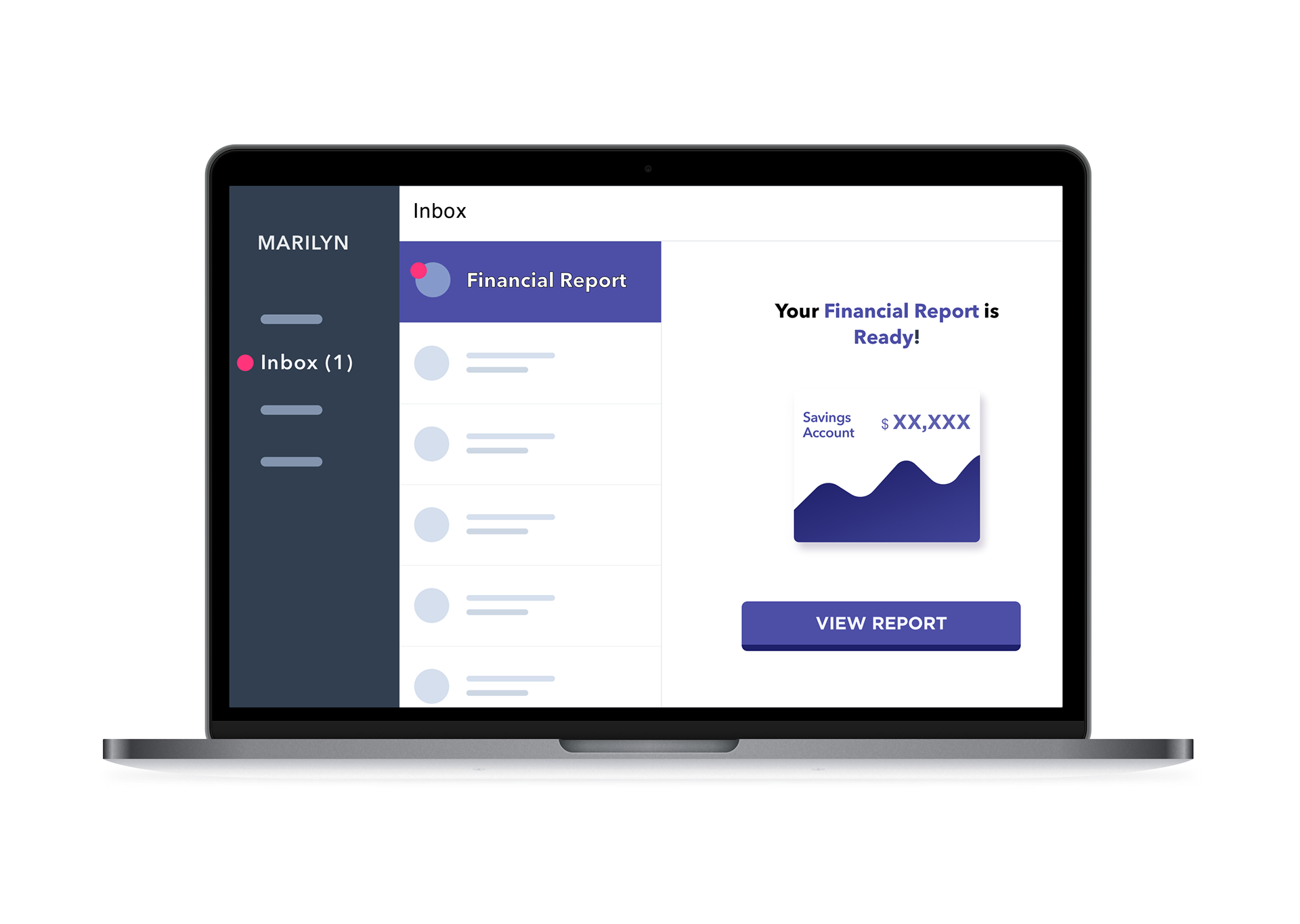
I designed lo-fi product provocations - deliberately rough, single-concept sketches in the form of a feature, notification, service, or app screen. The goal wasn't polish; it was speed and testability. Each provocation was designed to unlock a specific user reaction: does this resonate? Would this change your behavior?
Round 2 Interviews - Testing Ideas With Real Users
We returned to users with our product provocations - running a second round of interviews to test engagement and response to each concept. This closed the research loop and gave us qualitative signal on which ideas had genuine pull and which needed to be killed or pivoted.
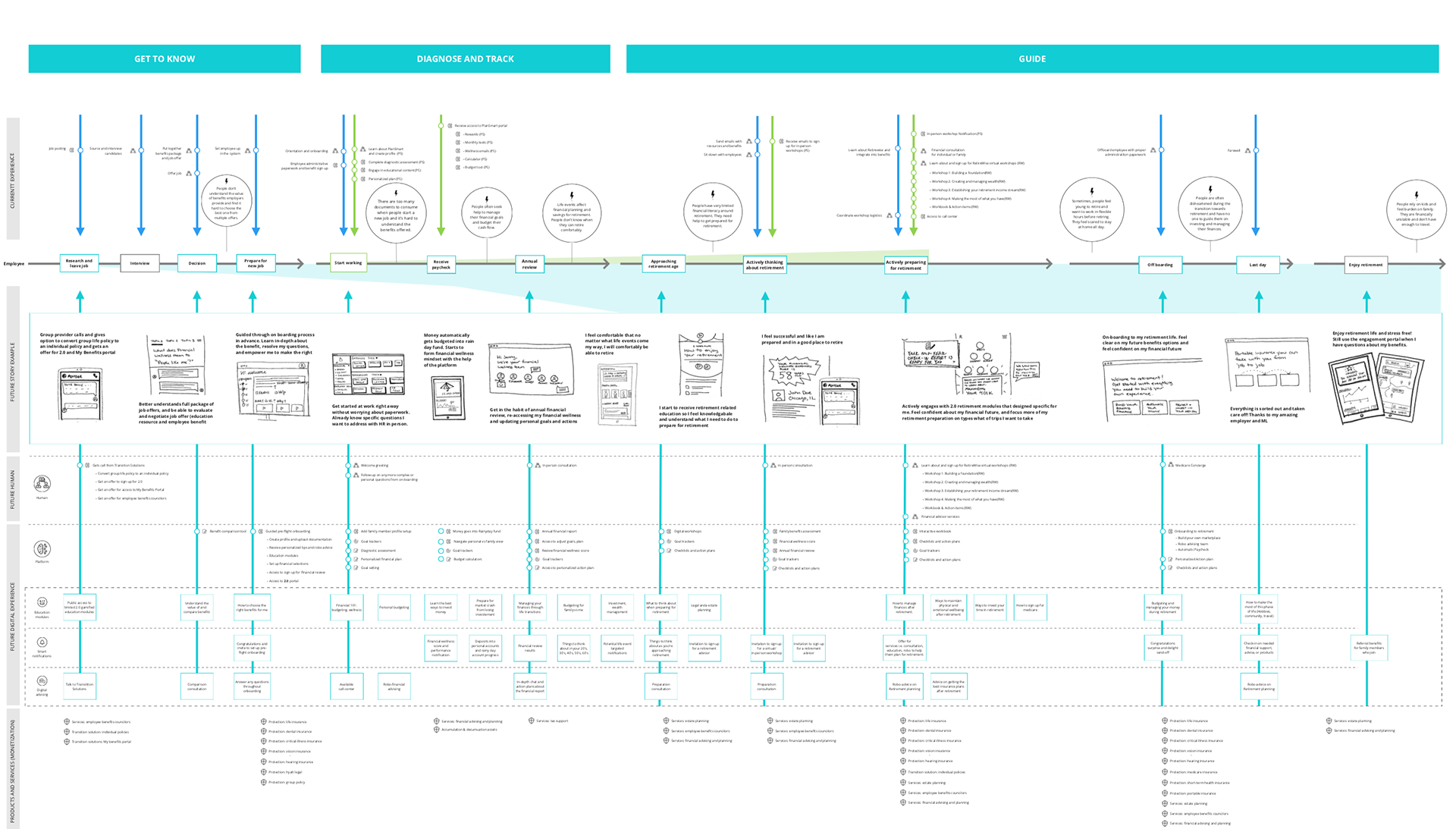
After validation, I integrated surviving concepts back onto the journey map - mapping each to the specific life-stage moment it addressed, MetLife's existing platform touchpoints, and the monetization opportunity at each intervention point.
The "Customer for Life" Portal
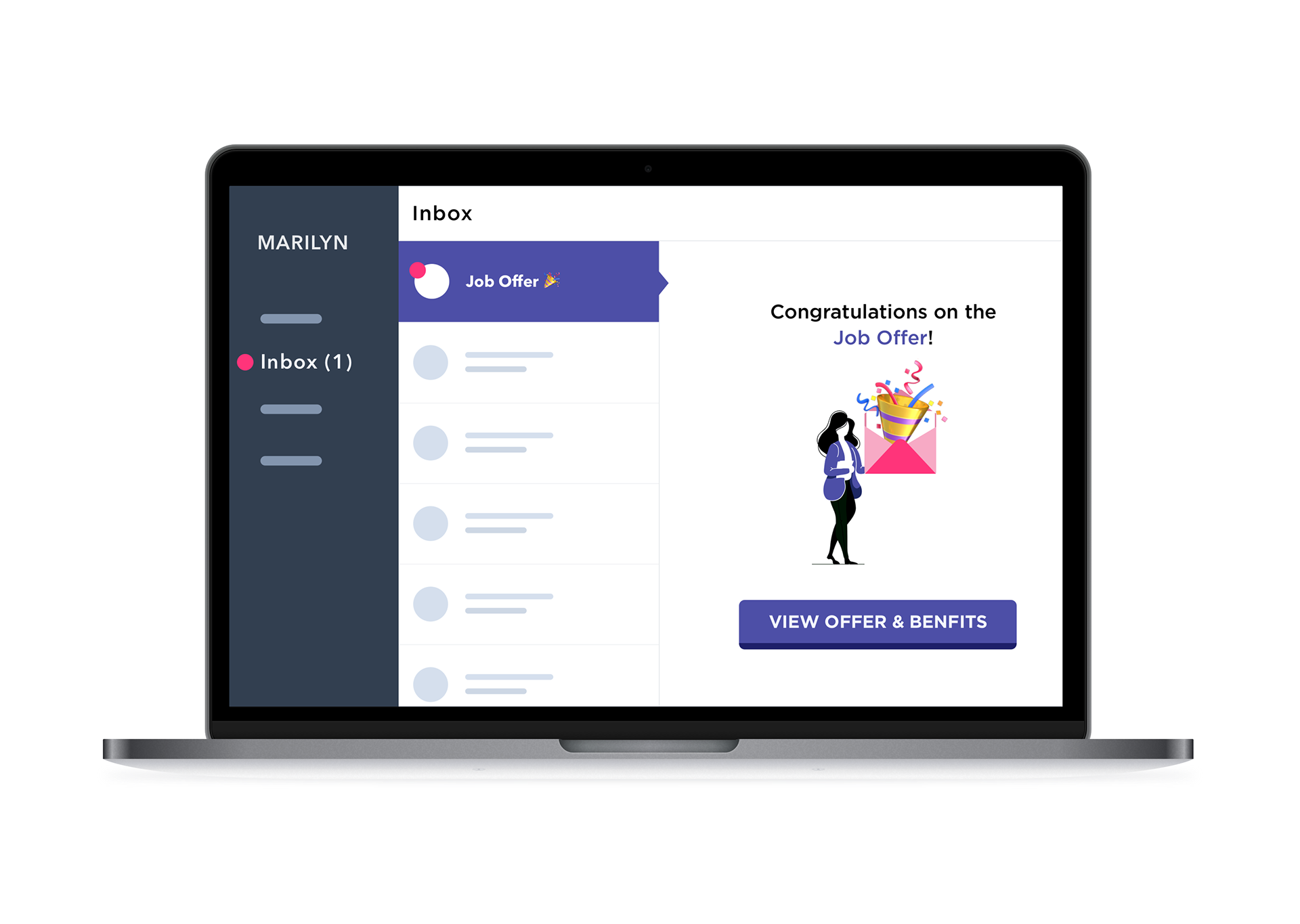
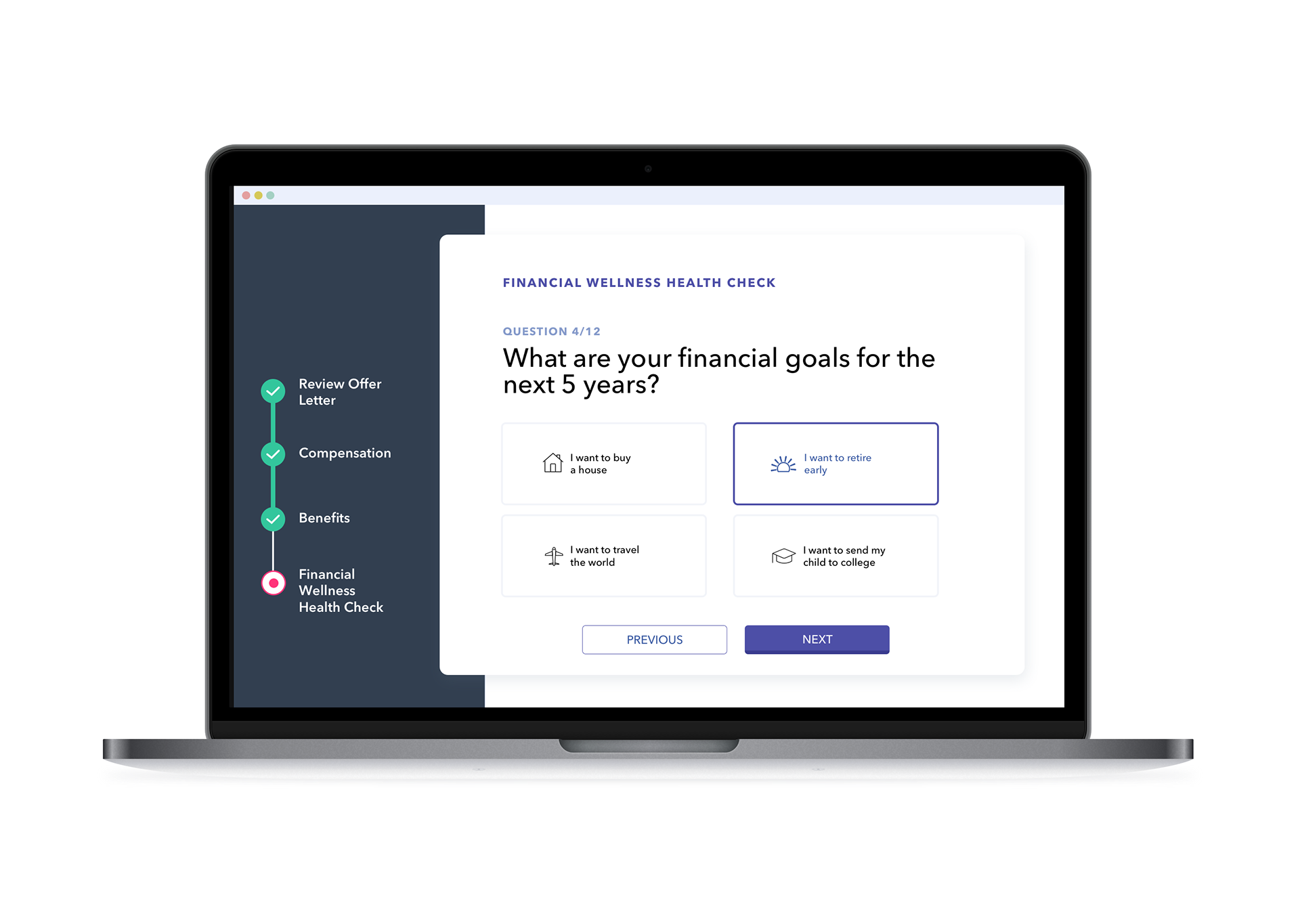
The validated concepts converged on a single strategic product vision: a unified portal that would accompany MetLife customers across every major financial moment in their life. I designed the mock screens to give MetLife stakeholders a concrete, tangible sense of the experience - high enough fidelity to make the value proposition real and the business case credible.
I integrated the product provocations into a lo-fi video to give the client a feel for the user experience in motion - showing how a user would move through the portal across a career transition event. Critical for making the abstract feel real to non-design stakeholders in the boardroom.
From Research to Boardroom
Every design decision in this engagement was built to serve one ultimate output: a business case rigorous enough for MetLife's leadership to make a major strategic investment decision. I collaborated directly with BCG consultants to translate design insights into market sizing, cost estimates, and profit-over-time projections.
Projected revenue growth from the "Customer for Life Portal" strategy over 6 years.
New customers projected in the first 6 years of the portal strategy.
Features designed and mapped across the full employee life transition journey.
- 01 Key trends and barriers identified - Mapped the structural forces impacting financial wellness across employment types and life stages. Shame, overwhelm, and decision paralysis were the real barriers, not lack of information.
- 02 Life transitions are the unlock - Major life events make people dramatically more willing to change financial behavior. This is MetLife's highest-leverage intervention window.
- 03 Three behavioral segments defined - Each archetype has distinct emotional and aspirational needs that can anchor a distinct product line - validating a portfolio approach over a monolithic platform.
- 04 Business case delivered - Laid out a clear financial rationale for employers to invest in employee financial wellness - with MetLife as the infrastructure layer and BCG DV as the build partner.
What I Took Forward
This engagement fundamentally shaped how I think about design as a business tool. Working inside BCG's consulting model, I saw how the quality of design research directly determines the quality of strategic decisions. A well-designed 2×2 or a clear journey map isn't just a UX deliverable - it's a decision-making instrument that executives use to allocate capital.