Role UX/UI Design LeadPeriod Feb 2017 – Jul 2018Team 10 (4 eng · 2 visual · UX · DS · PM · CEO)
Quick Brief - for the hiring manager
🎯
Problem
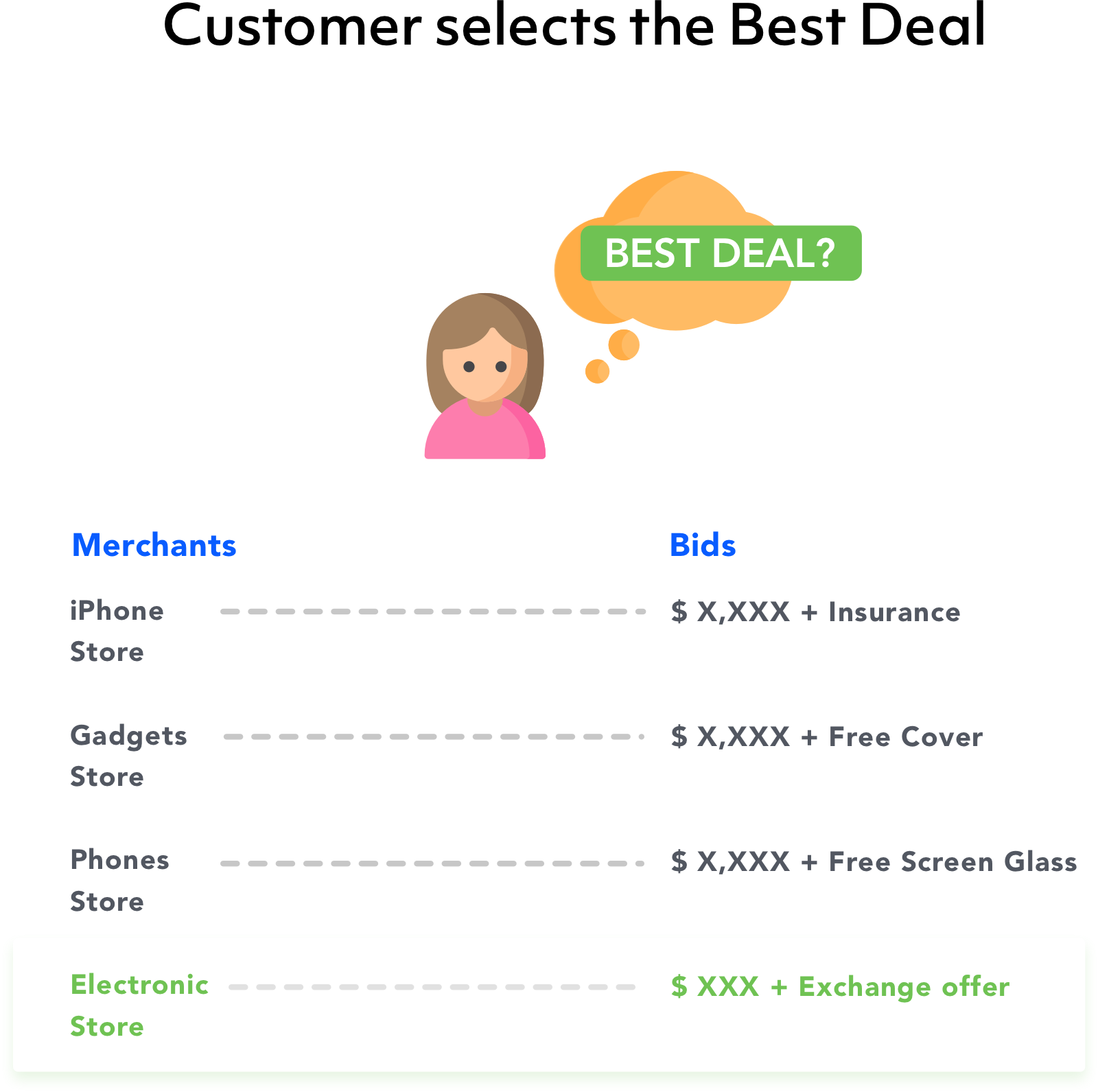
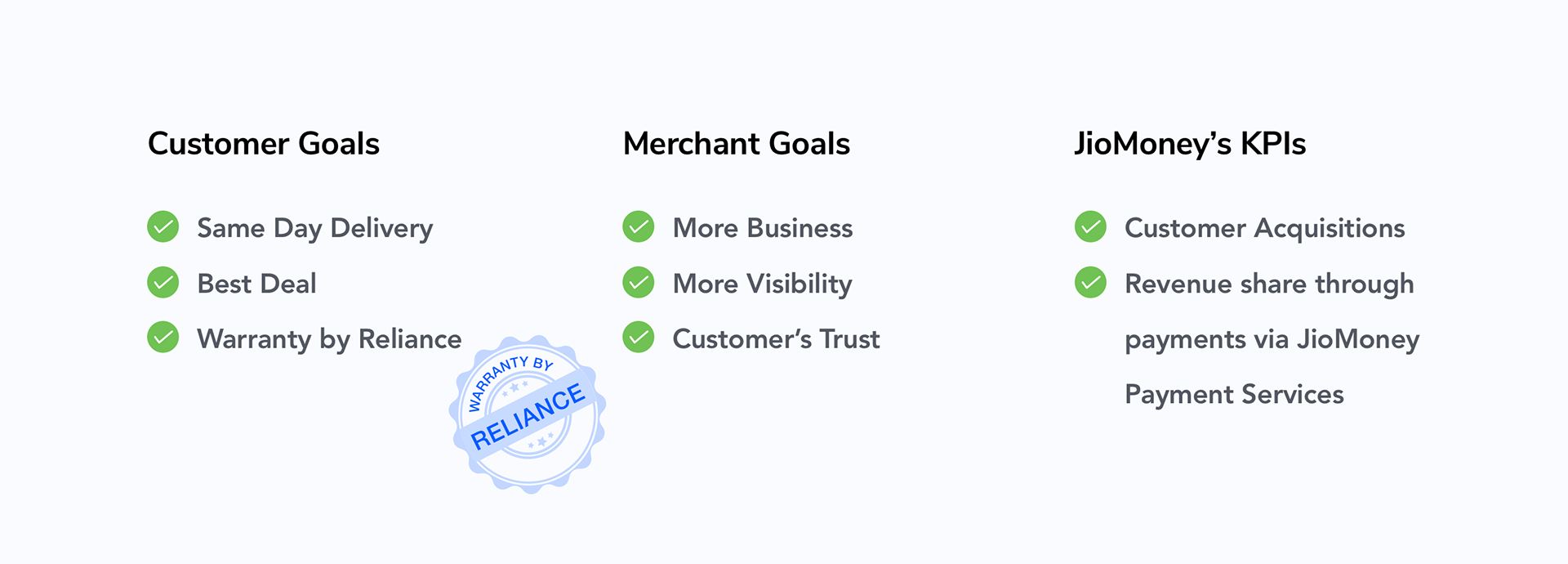
India's local merchants were losing to e-commerce giants. JioMoney had 10M+ users. Could we build an auction platform giving local retail a fighting chance - leveraging Reliance's scale?
👤
My Role
UX and Visual Designer. Designed both Customer and Merchant apps end-to-end - research, flows, wireframes, and visual design. Presented to board-level stakeholders at Reliance.
⚡
Impact
78% reduction in support tickets via self-service redesign. Play Store rating lifted from 3.1→4.3★. Research informed strategic pivot to grocery - higher margins, more viable model.
🔍
Approach
City-level research to identify pilot markets. Category analysis for highest-potential verticals. Designed dual apps (Customer + Merchant) connected by metadata. Evaluated using Google's HEART Framework.
✅
Outcomes
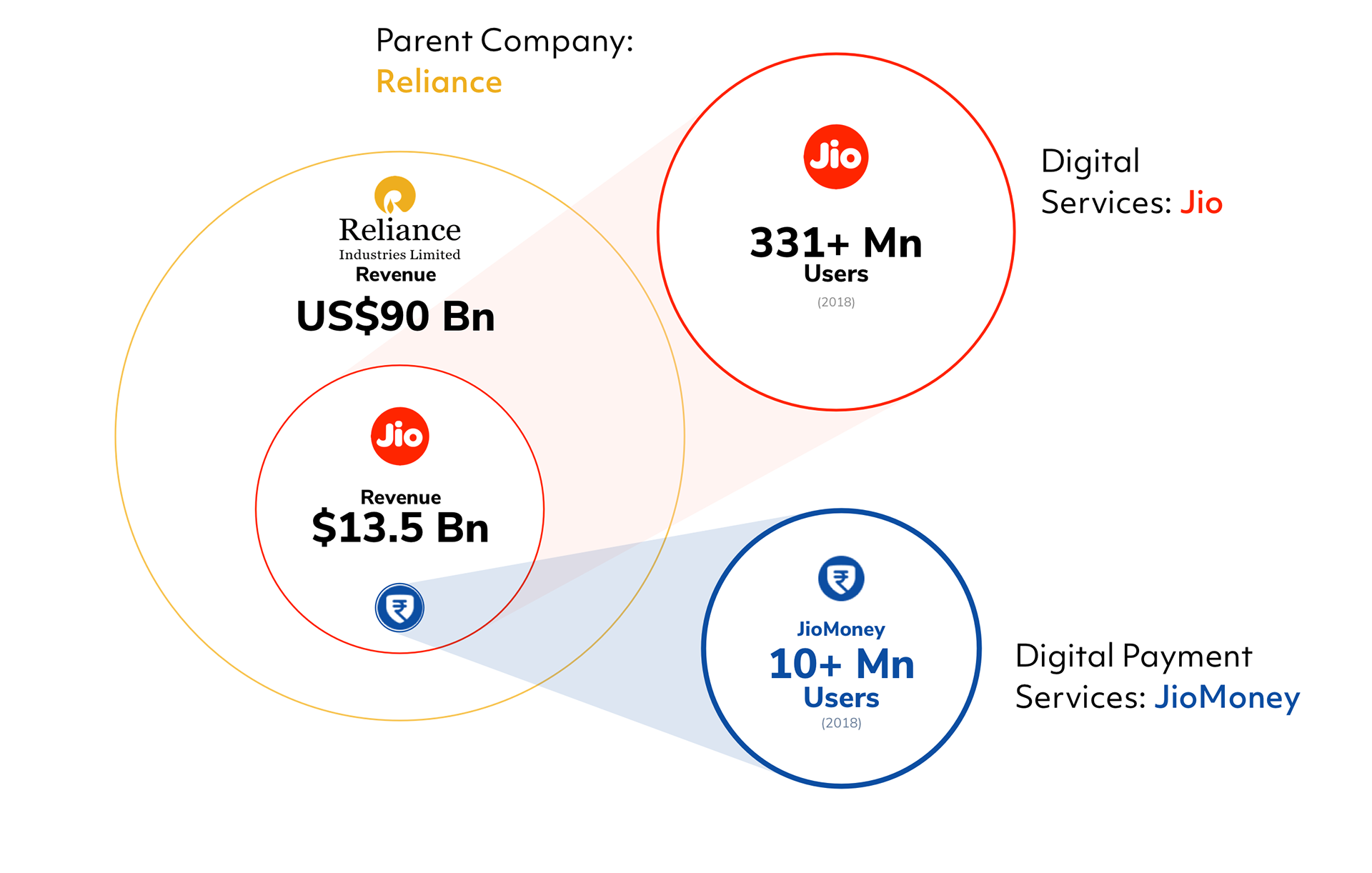
Alpha version shipped and tested. 5 key barriers identified through research. Pivot to grocery commerce justified and recommended. Future vision: integration into MyJio App (331M+ users).
💡
Learnings
A pivot isn't a failure - it's research doing its job. Local context shapes UX more than any pattern library. Two-sided marketplace design doubles complexity in ways you must plan for.
User Base
10M+ JioMoney users
Ticket Reduction
78% via self-service
Rating Lift
3.1 → 4.3★ Play Store
Iterate
Discover
Qualitative/ Quantitative Analysis
User interviews Stakeholder interviews Surveys Data analysis Metrics Competitor Analysis Customer journey maps
→
Define
Scope Problem Statement
Problem statement User journeys Storyboards Personas
→
Ideate
Brainstorming with Stakeholder
Brainstorm sessions Information Architecture Card sorting User journeys User flows Business model canvas Design principles
→
Prototype
User Experience/ Interaction Design
Paper prototypes Micro-interactions Detailed user flows Mockups Interactive prototypes Wireframes High fidelity design Design hand-offs Design documentation HTML/JS prototypes
Reliance Jio ($90B), empowering local merchants in India
What
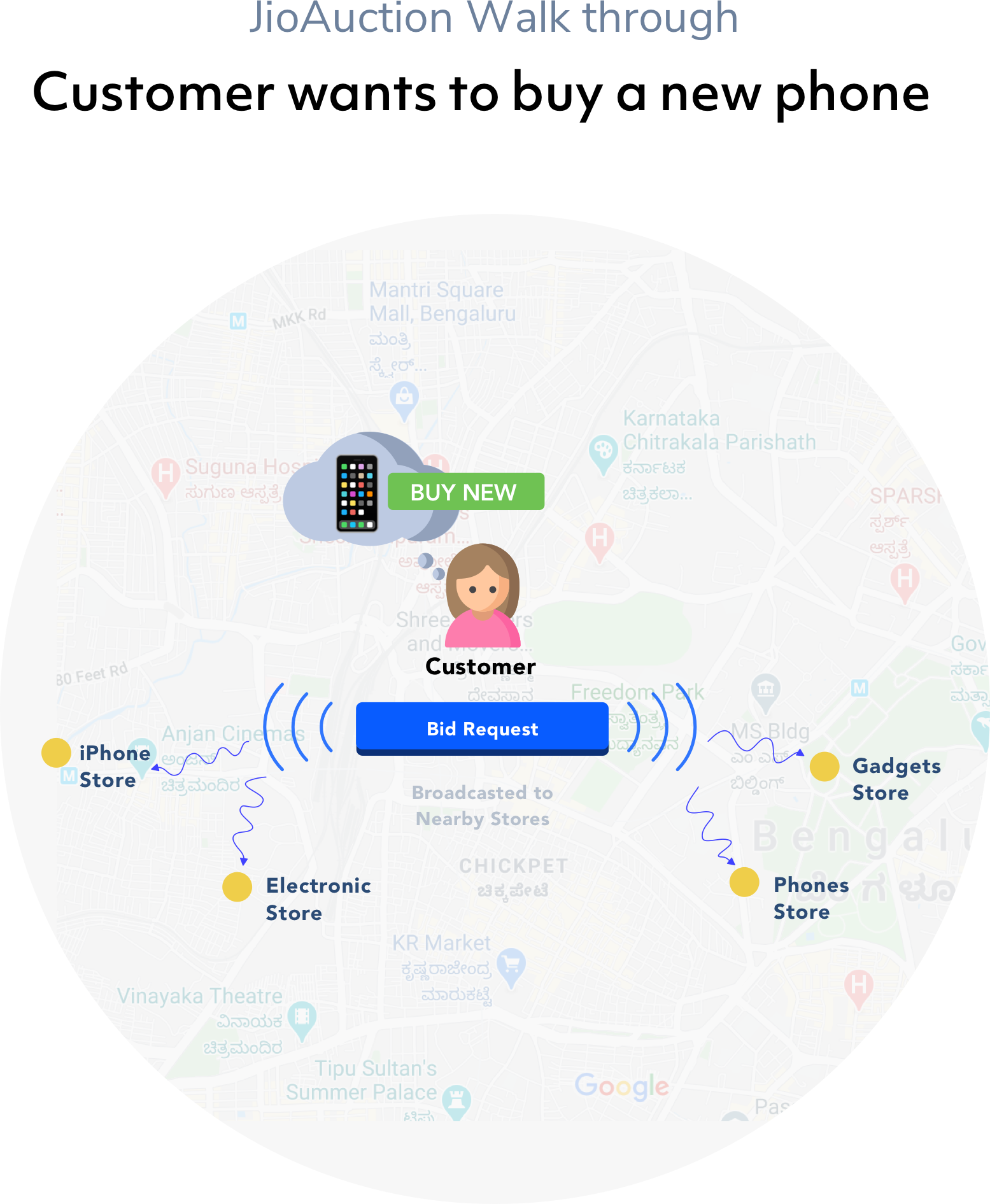
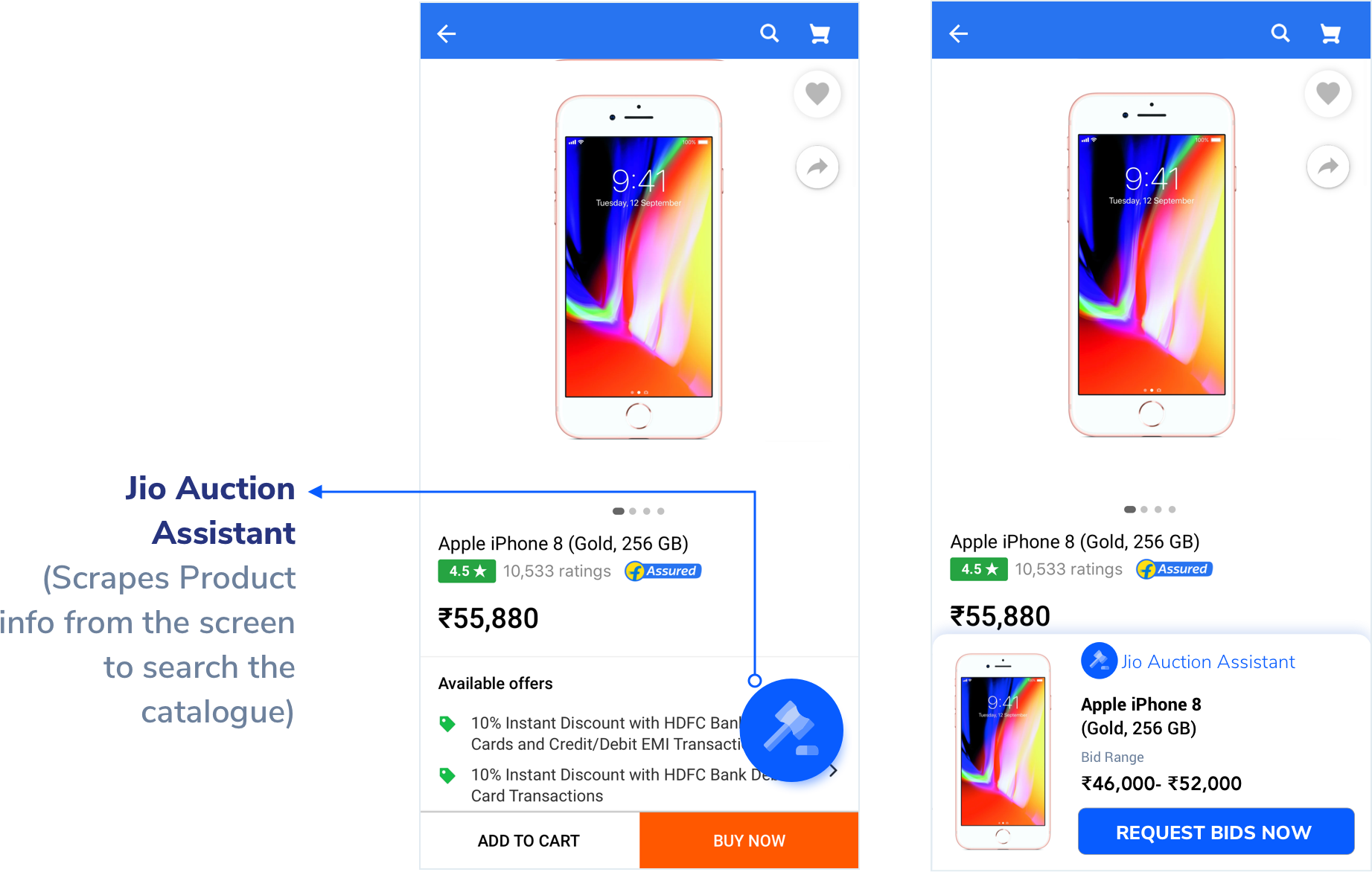
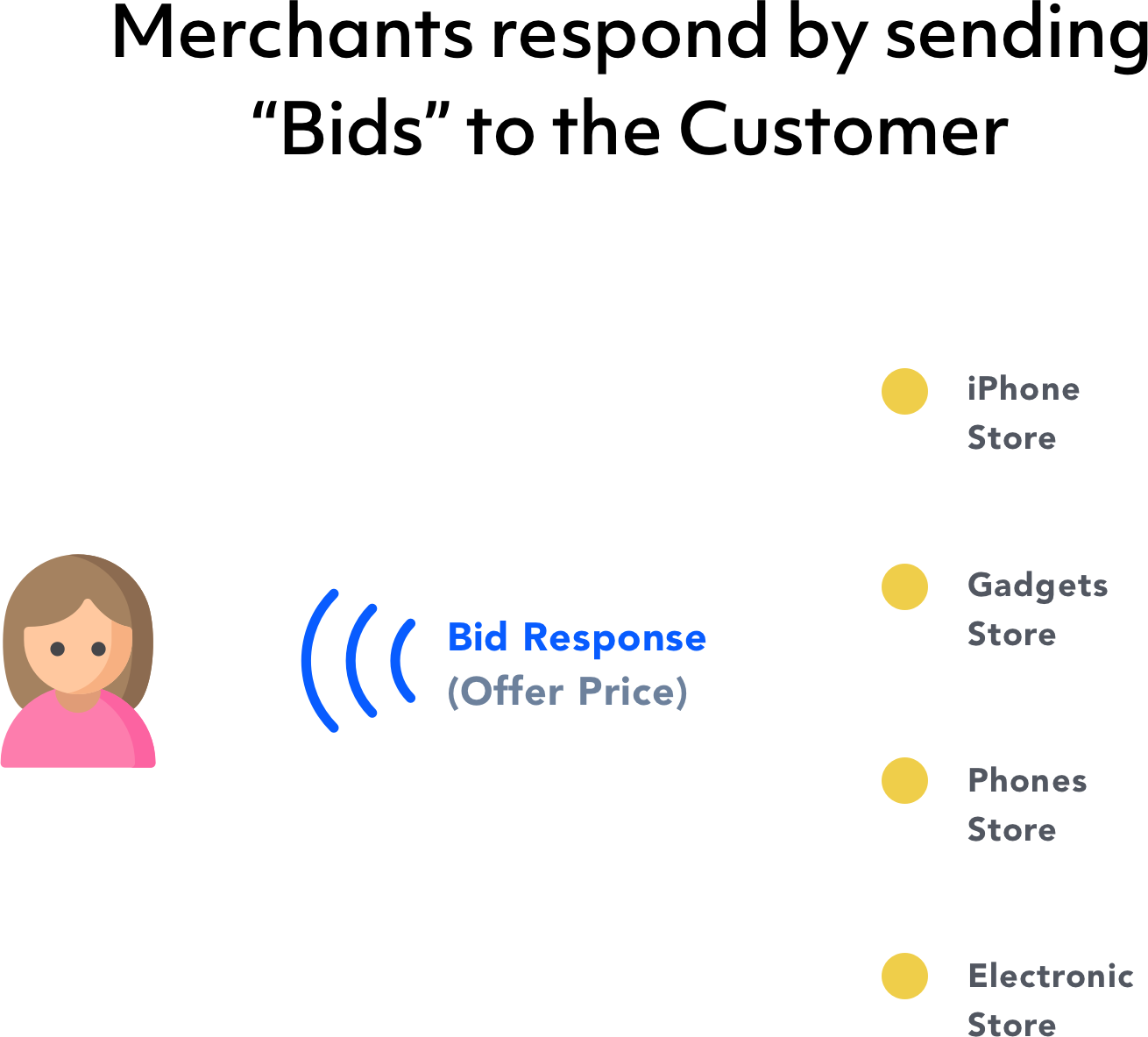
An auction platform for customers to buy or bid on products from nearby merchants
Why
India's e-commerce boom is siphoning revenue from local merchants
How
Connecting customers with nearby merchants and expanding their online presence
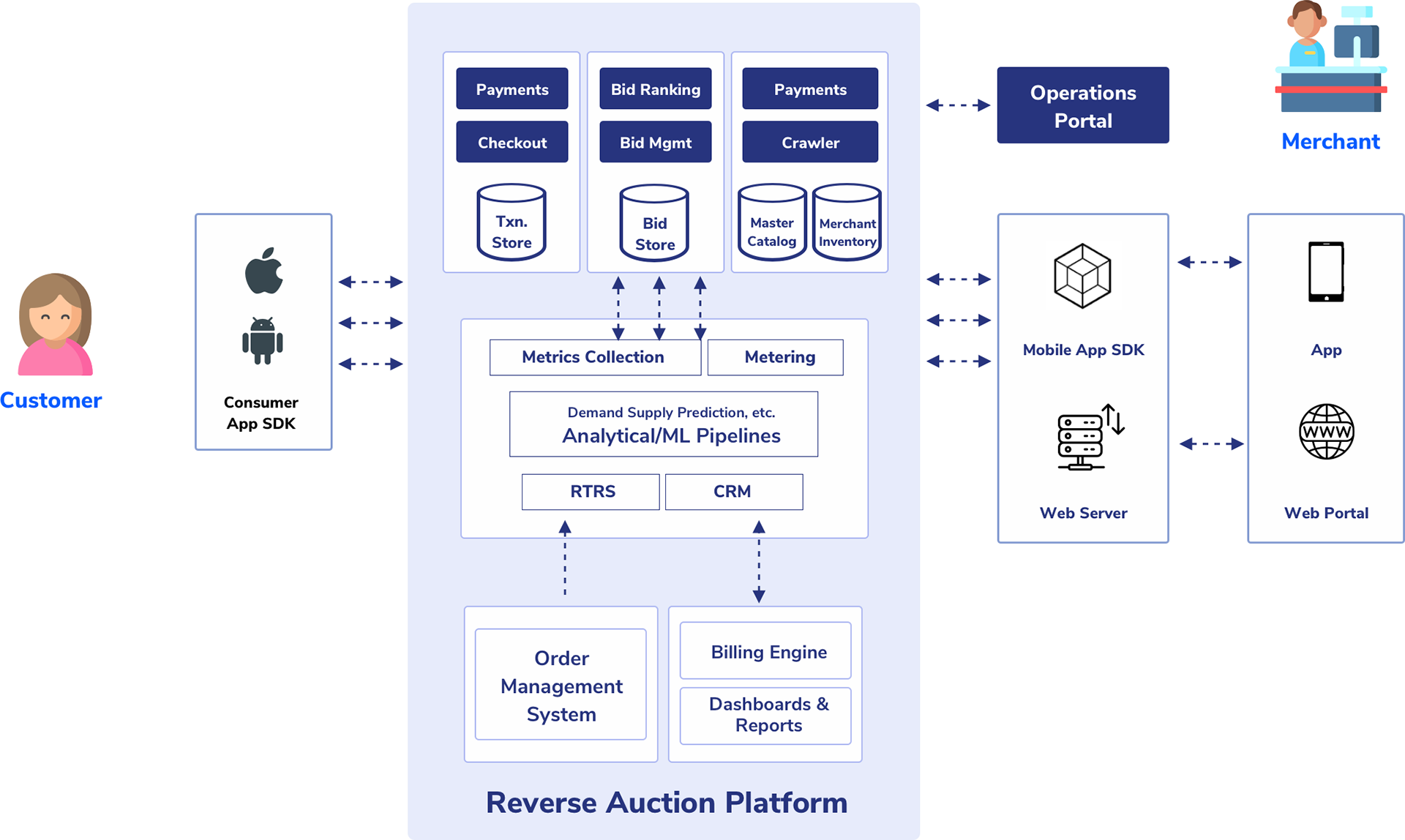
How JioAuction Works
01 - Context
The Market Problem
Reliance Industries - India's $150 billion conglomerate - saw a structural crisis in retail. E-commerce giants were systematically displacing local merchants. Meanwhile, JioMoney had 10M+ users but lacked a killer use case beyond transfers and bill payments.
The brief: build an auction marketplace empowering local merchants to compete on deals, with JioMoney as the payment backbone. The core challenge was designing for two fundamentally different user archetypes simultaneously - price-conscious consumers hunting deals, and margin-pressured merchants needing a viable distribution channel. Both sides had to win, or the product would fail.
The Vision
"Use design and technology to rebalance India's retail economy - proving that local merchants could compete not by beating prices, but by offering proximity, selection, and trustworthiness."
02 - Research
Where to Launch, What to Sell
Phase 1: City Selection & Category Analysis
Market Geography
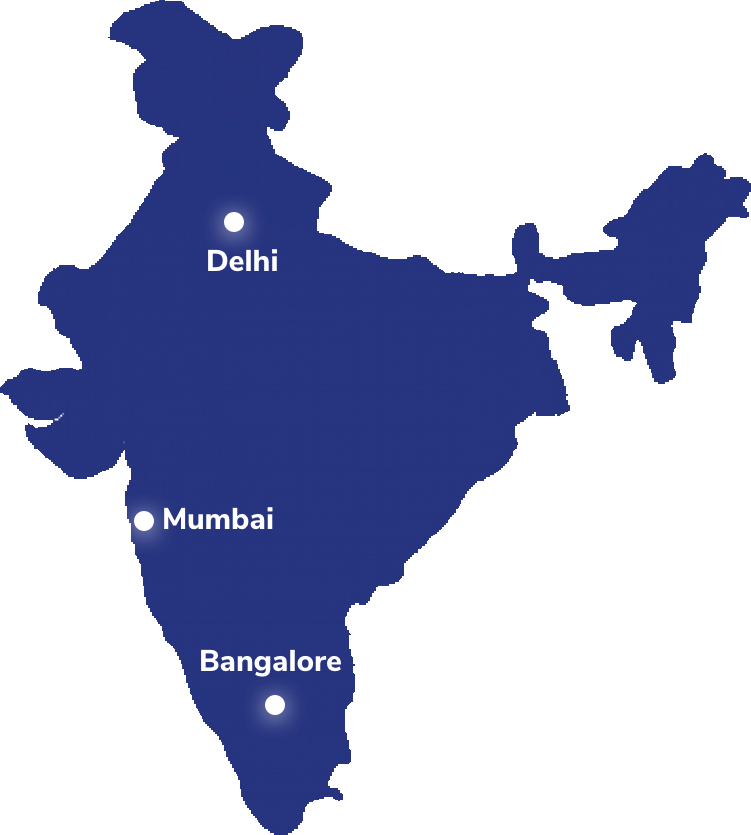
Studied India's e-commerce hubs to identify pilot cities. Delhi, Mumbai, and Bangalore emerged as clear winners: highest population density, strongest JioMoney adoption, and most acute local retail displacement.
Category Selection
Consumer behavior analysis revealed the highest-share categories: Mobiles and Tablets (highest-margin), Computers and Accessories, Watches, Cameras, and Electronics - the exact categories local shops were losing to Amazon and Flipkart.
Merchant Readiness
Retailer interviews surfaced key pain points: shrinking foot traffic, inability to compete on price, no online presence. Many operated entirely in regional languages (Hindi, Marathi, Kannada) - English-only interfaces were non-starters.
Market Analysis & User Research Survey
Pilot Categories & Revenue
Mobile & Tablets
Computer
Watches
Camera & Photography
Accessories
Category
Online
Offline
Total
Pilot
Mobile, Tablet & Accessories
$5.2B
$17.8B
$23B
Yes
Computer, Cameras & Electronics
$2.7B
$4.6B
$7.3B
Yes
Fashion, Footwear & Accessories
$4.2B
$51B
$55.2B
No
Home Decor
$1.5B
$23B
$24.5B
No
User Interview Survey Results
NegativePositiveNeutral
27%
39%
Users interested in Auction between 20-30 yrs
36%
43%
Users interested in Auction between 31-40 yrs
11%
43%
Merchants willing to collaborate via JioMoney
8%
43%
Consumers willing to pay insurance on Reliance products
28%
34%
Consumers prefer "Pick Up Service" over Home Delivery
8%
83%
Fixed time for bid Requests to expire in a day
7%
28%
OTP Confirmation on delivery of Products
28%
Do merchants need another consumer login?
61%
Merchants willing to procure from Reliance Mall?
8%
60%
Merchants comfortable if Jio pays after delivery?
35%
21%
Merchants want custom catalogue with inventory?
E-Commerce Category Market Share
Phones 32.5%
Computer 23.6%
Other 26.7%
Watches 7.5%
Camera 5.3%
Accessories 4.4%
03 - Ideation
Designing Two Apps, One Marketplace
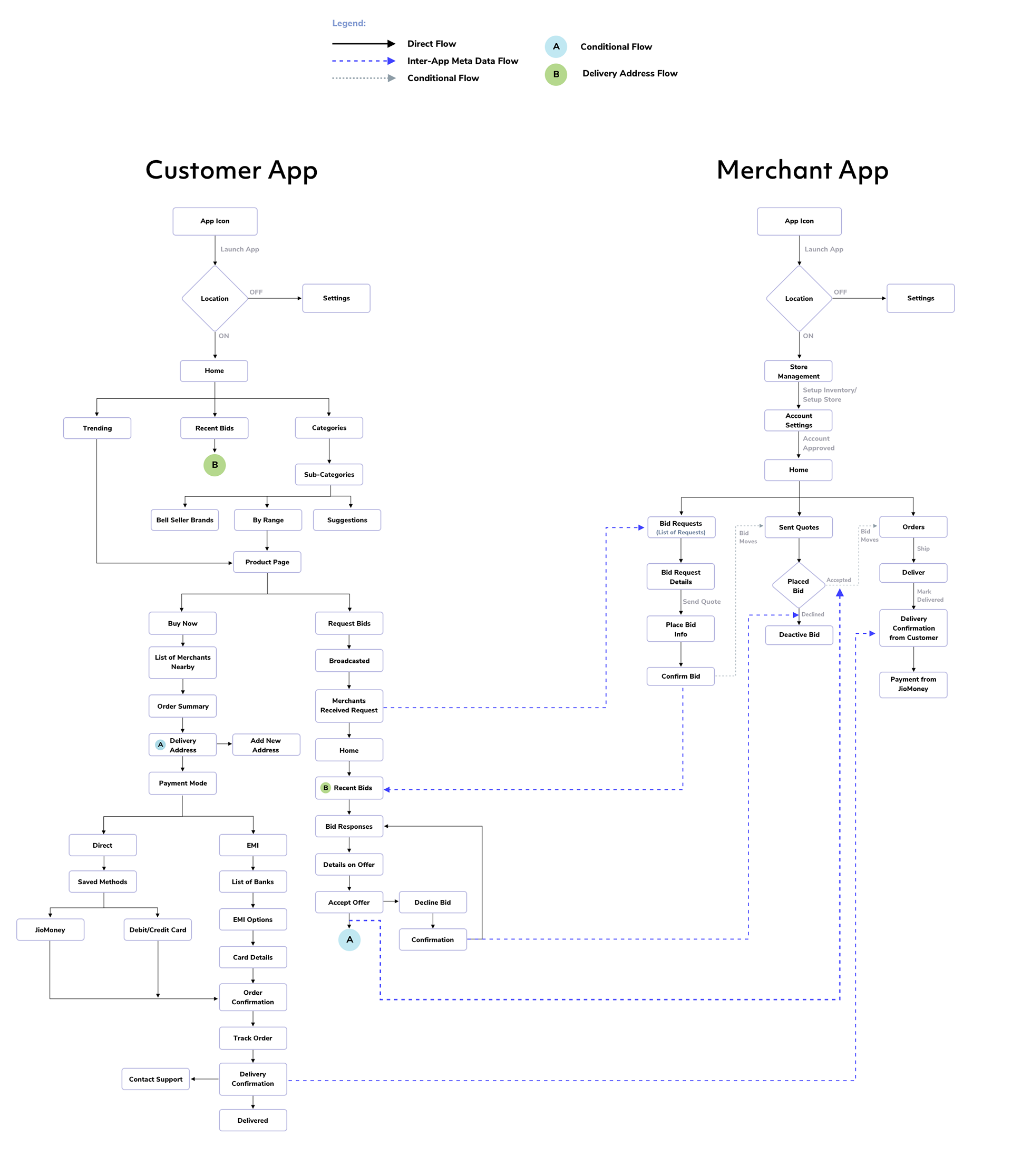
Understanding the Metadata Flow
The core insight: JioAuction wasn't one product - it was two products moving in perfect sync. Every Customer action created a consequence on the Merchant side, and vice versa. We spent weeks whiteboarding with engineering, mapping how metadata would flow between the two apps.
Customer App
Browse, Bid, Buy
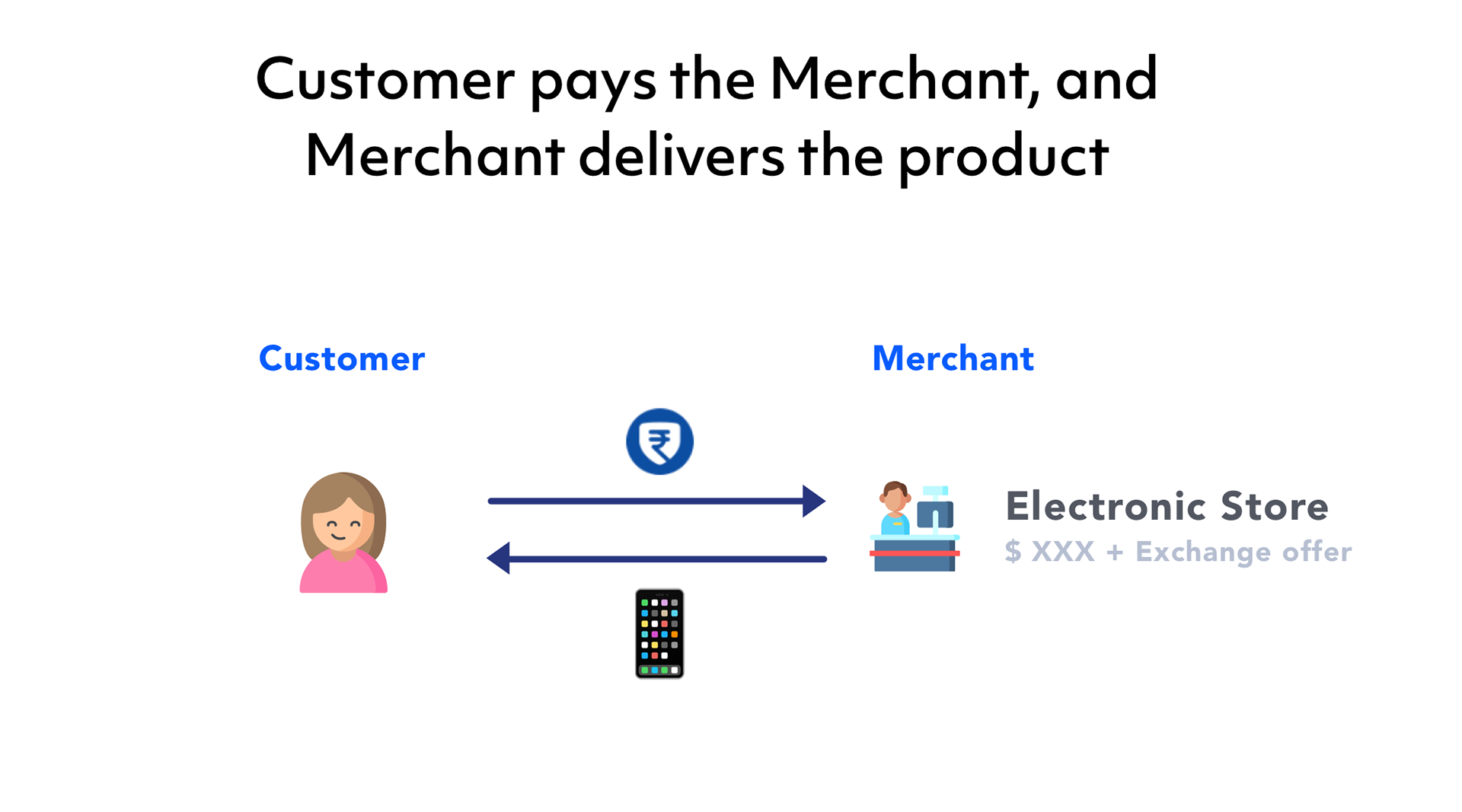
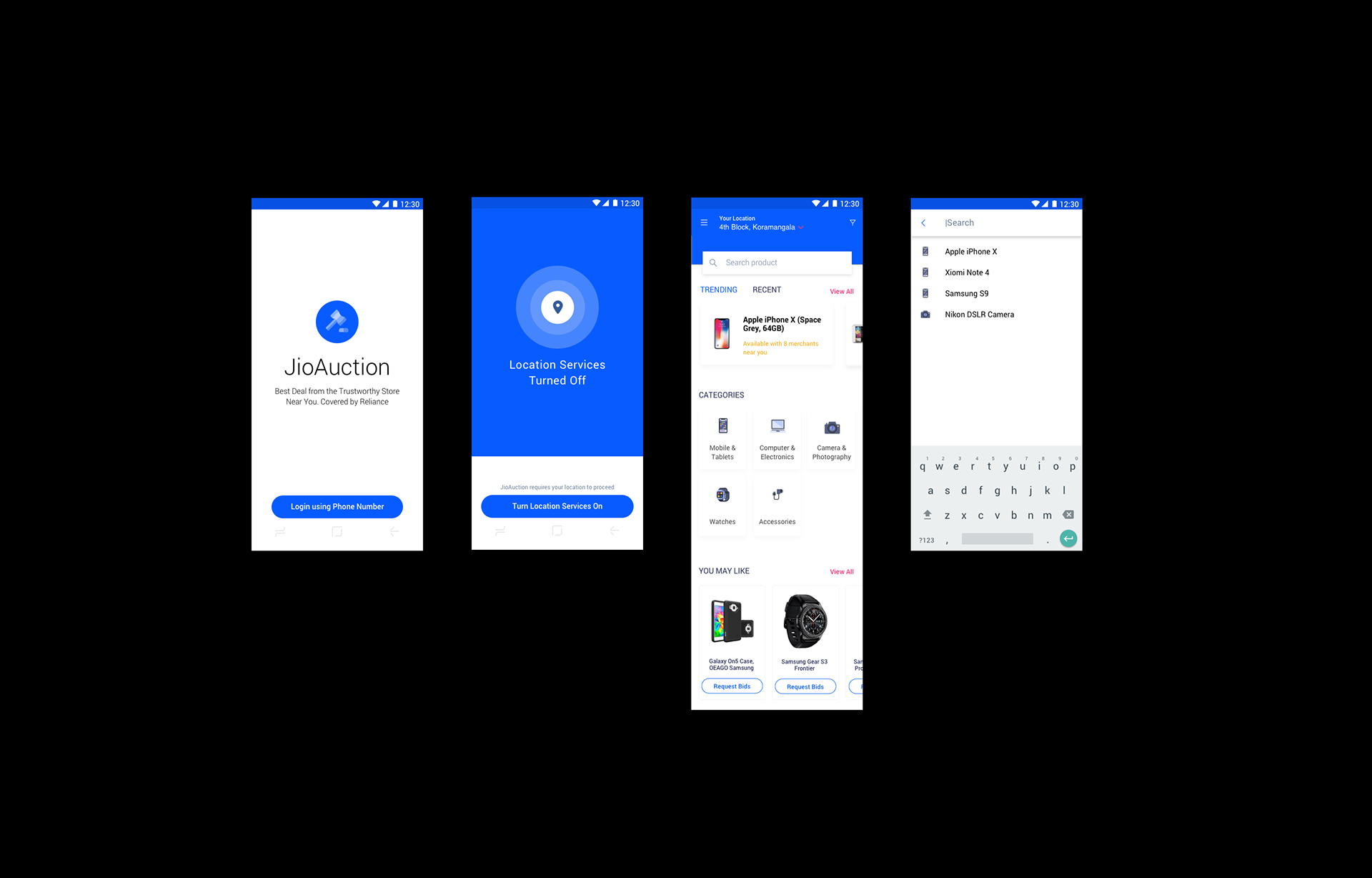
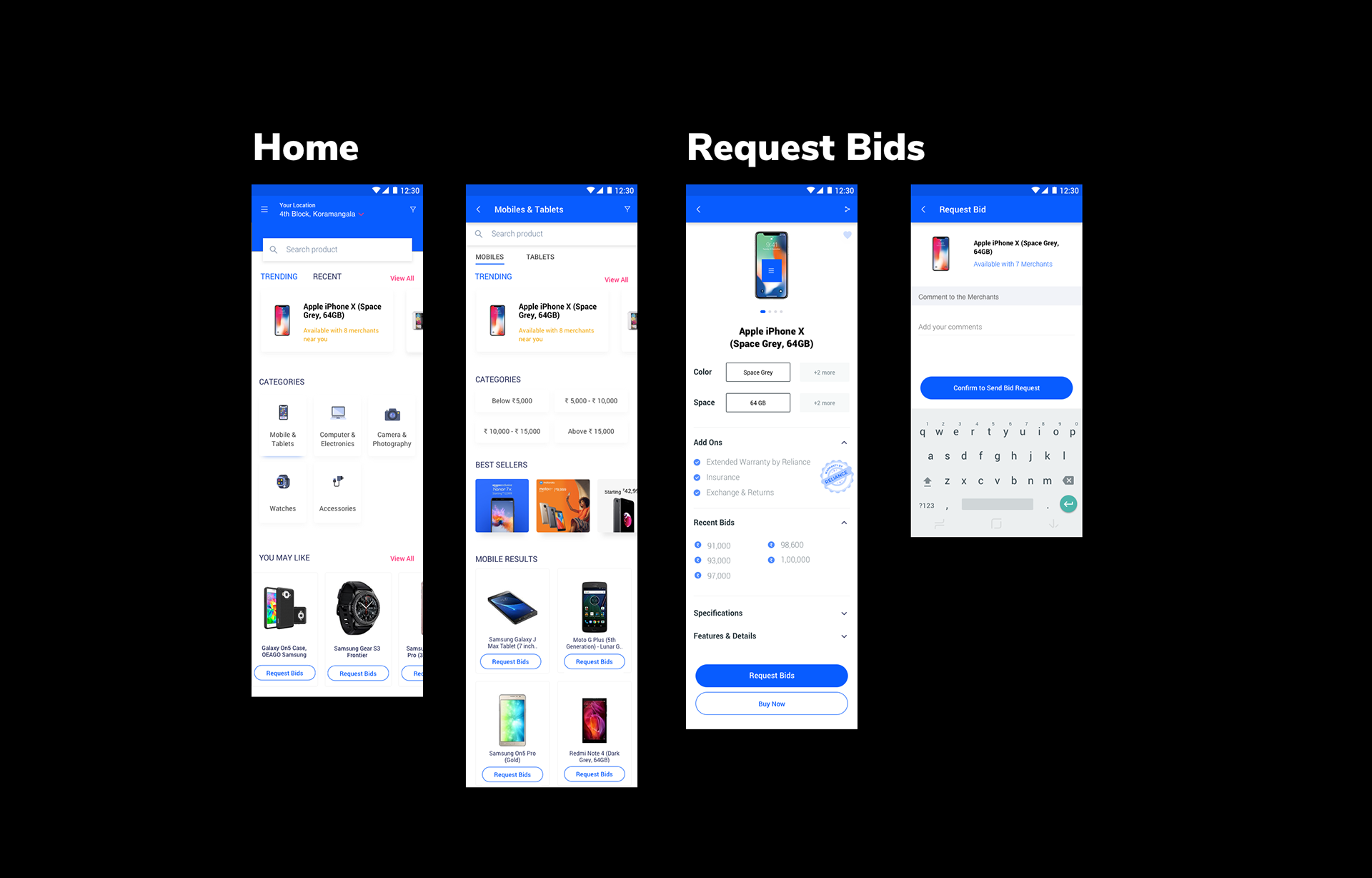
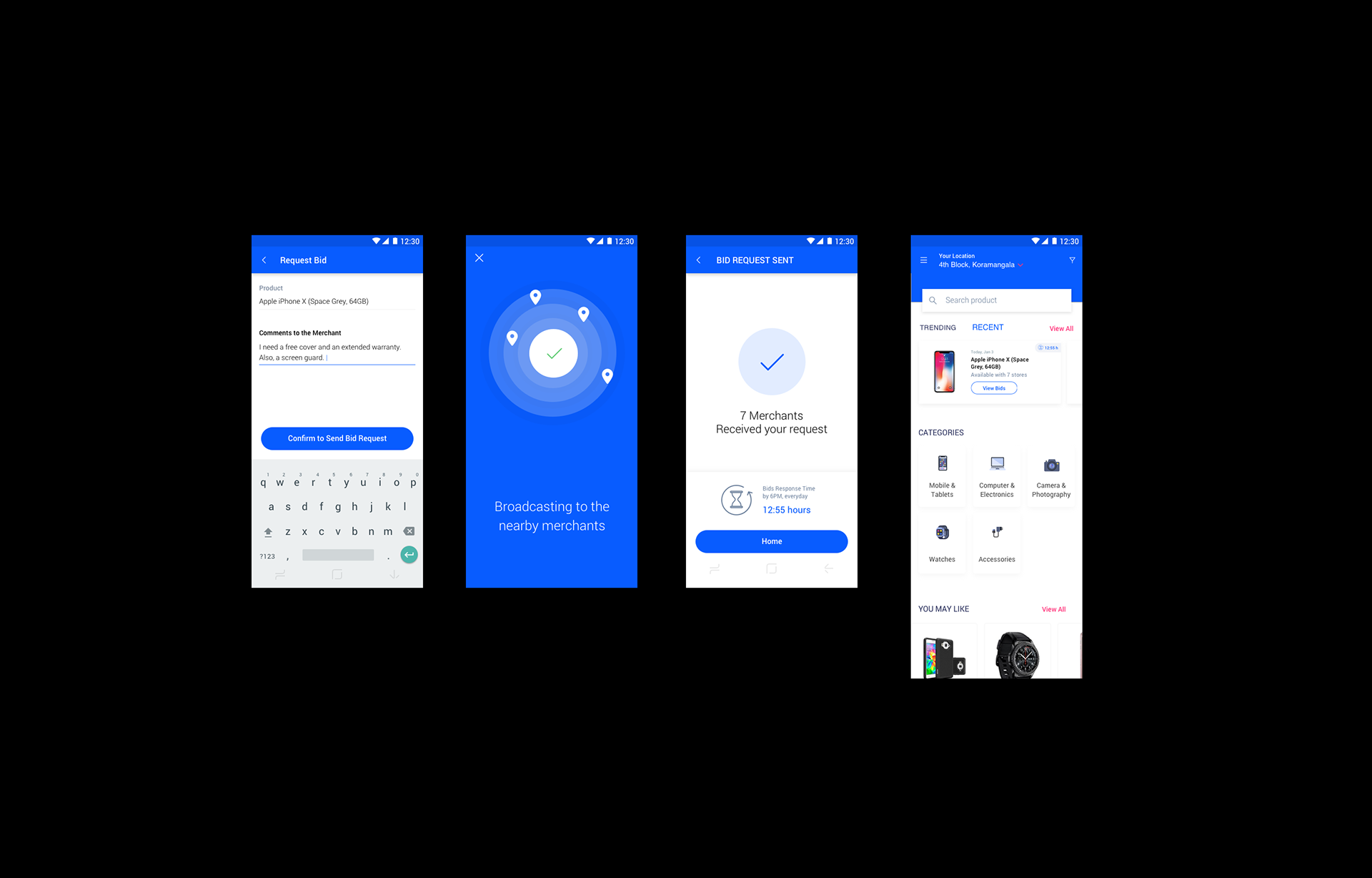
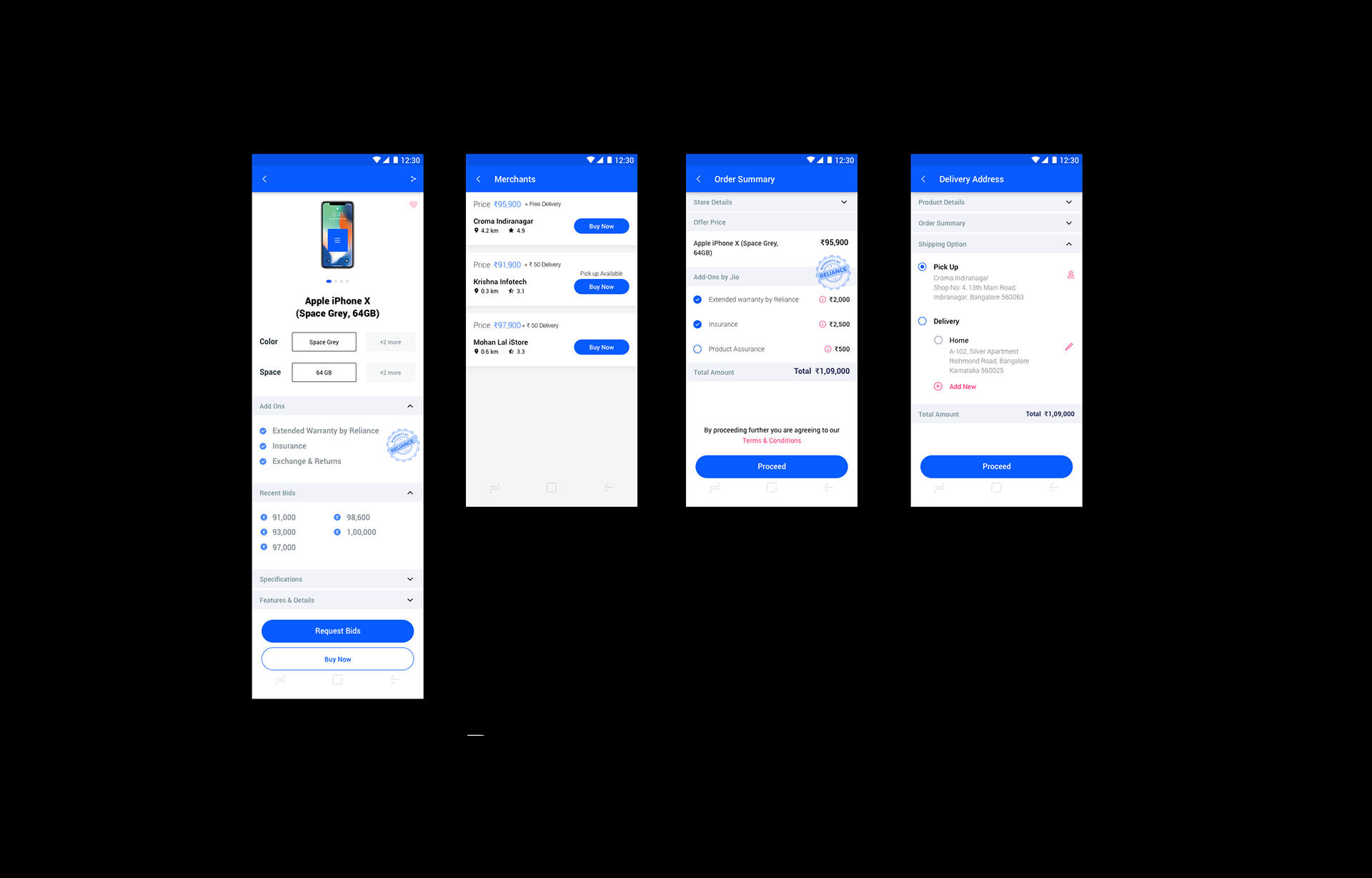
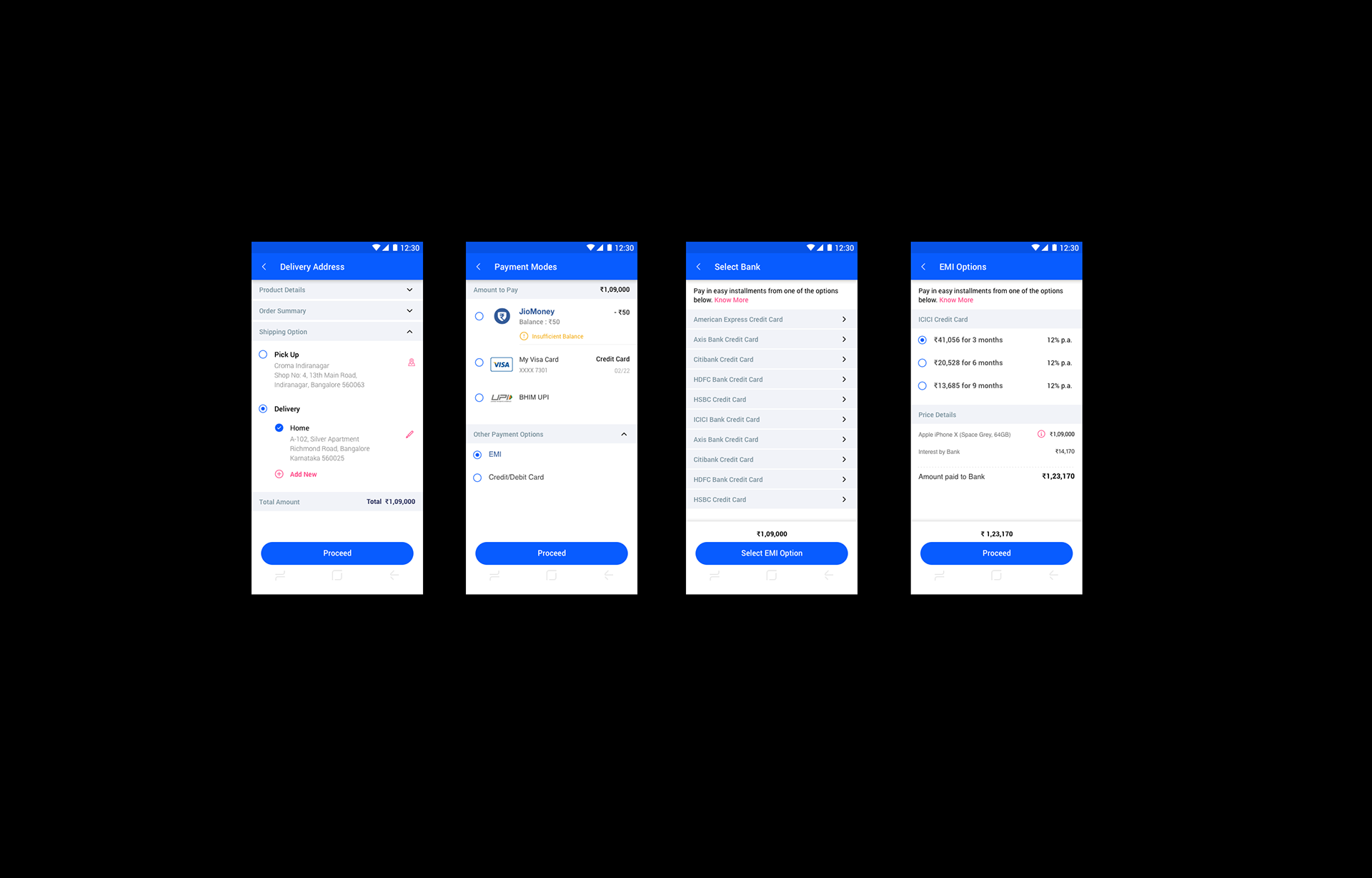
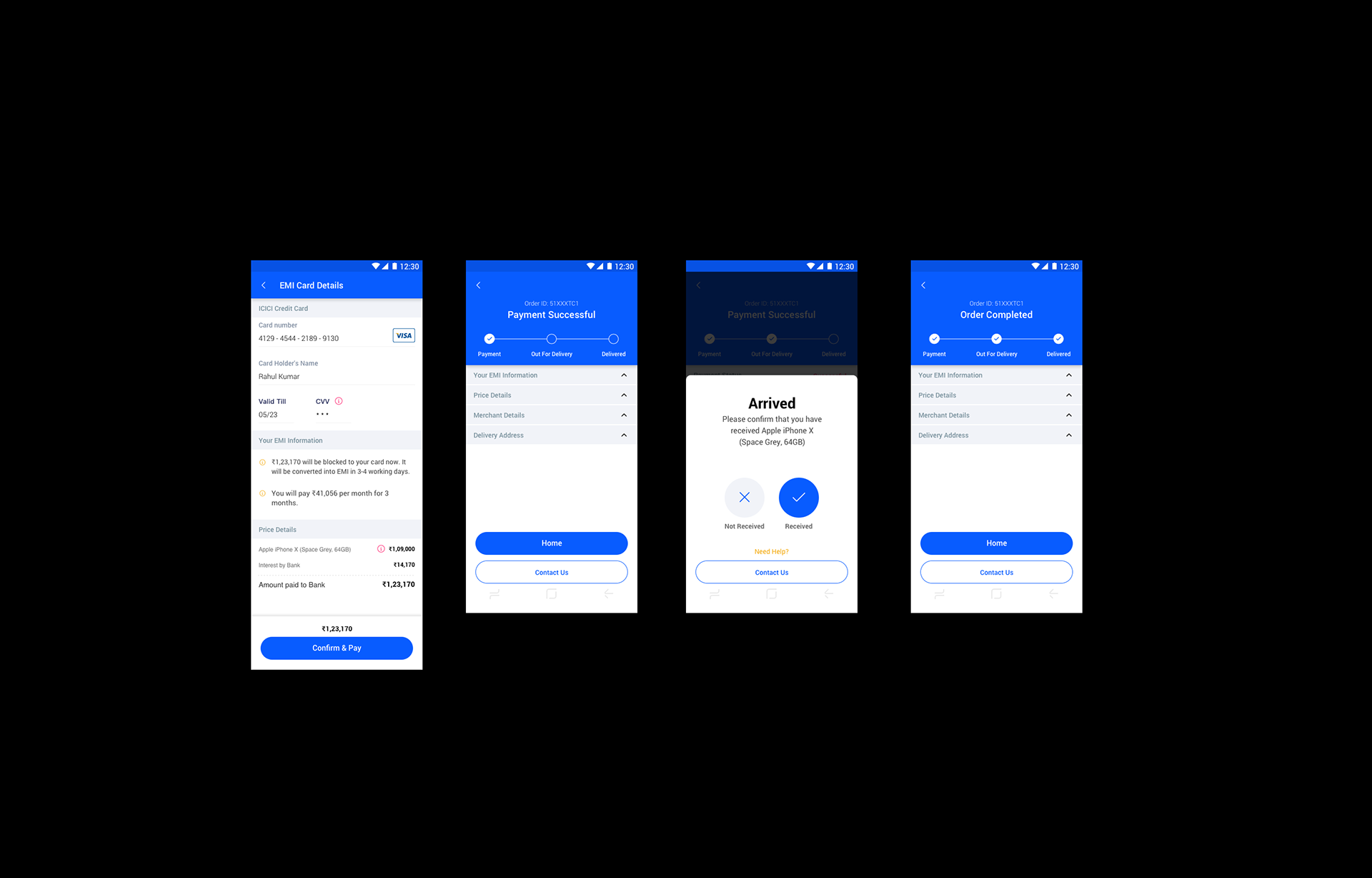
Browse live auctions, place bids, complete purchases. Surfaced merchant details (location, reviews, Reliance warranty status), real-time bid updates, and seamless JioMoney checkout.
Merchant App
List, Manage, Settle
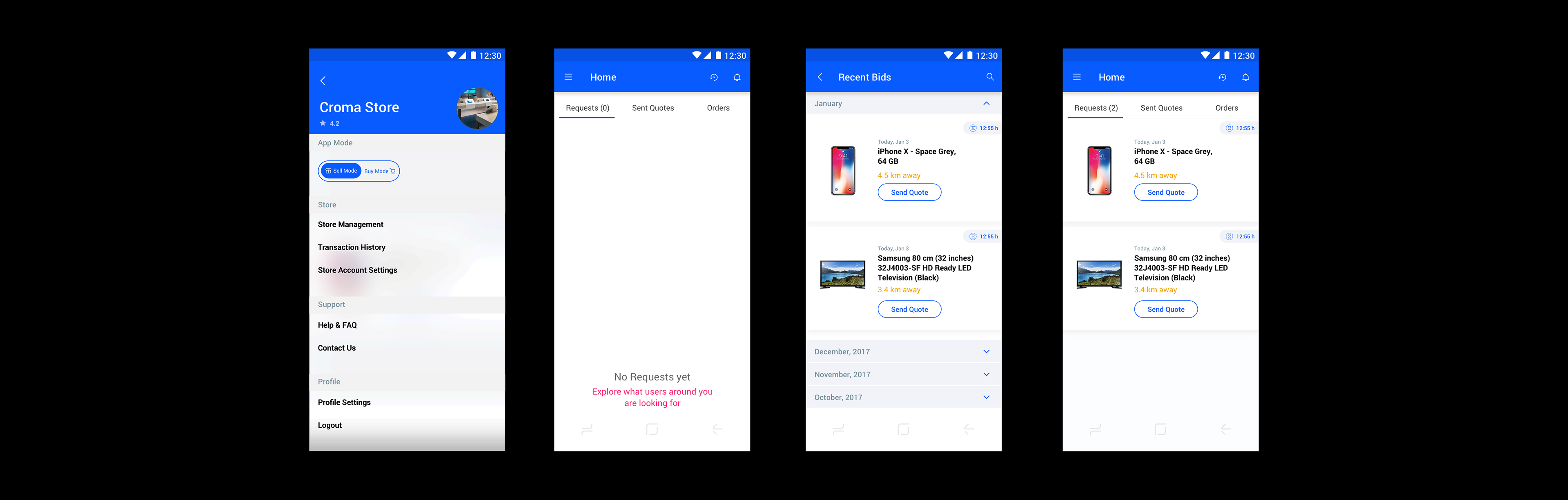
List inventory from physical shops, manage auctions, view bids in real-time, settle transactions. Critical: had to support regional languages and integrate with Reliance's POS devices for inventory sync.
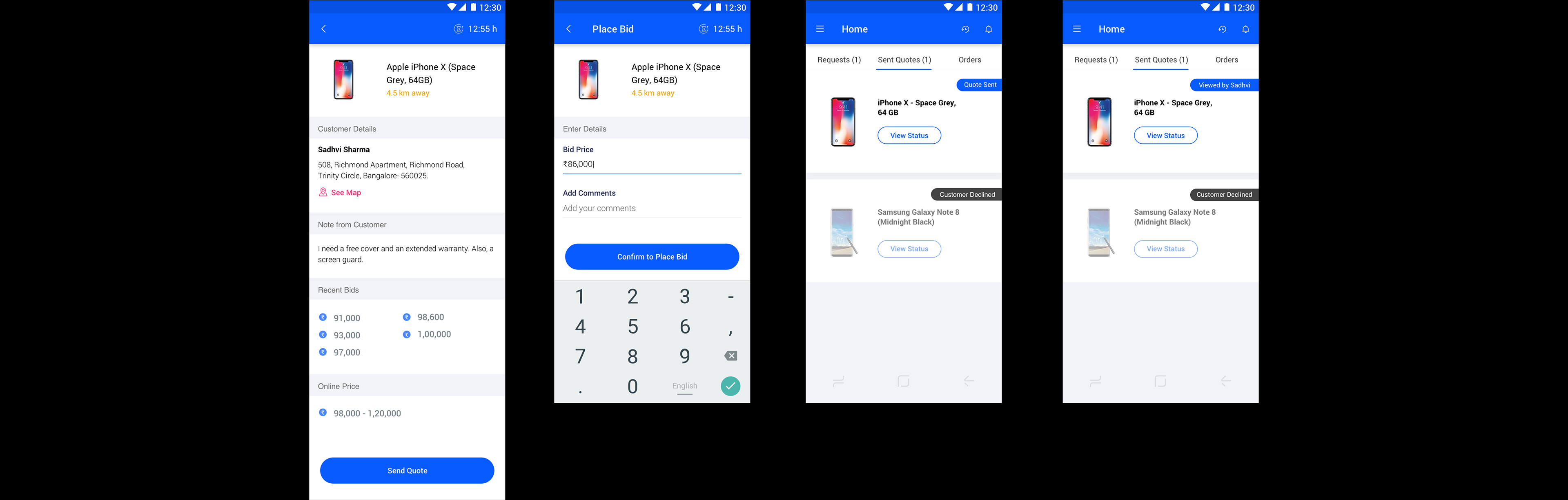
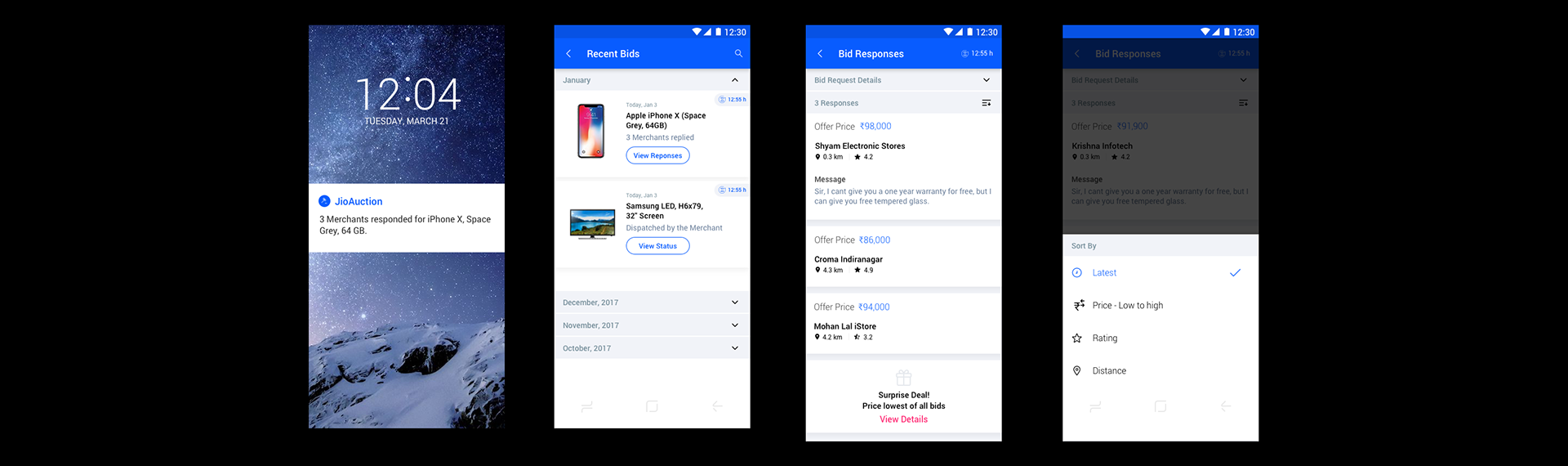
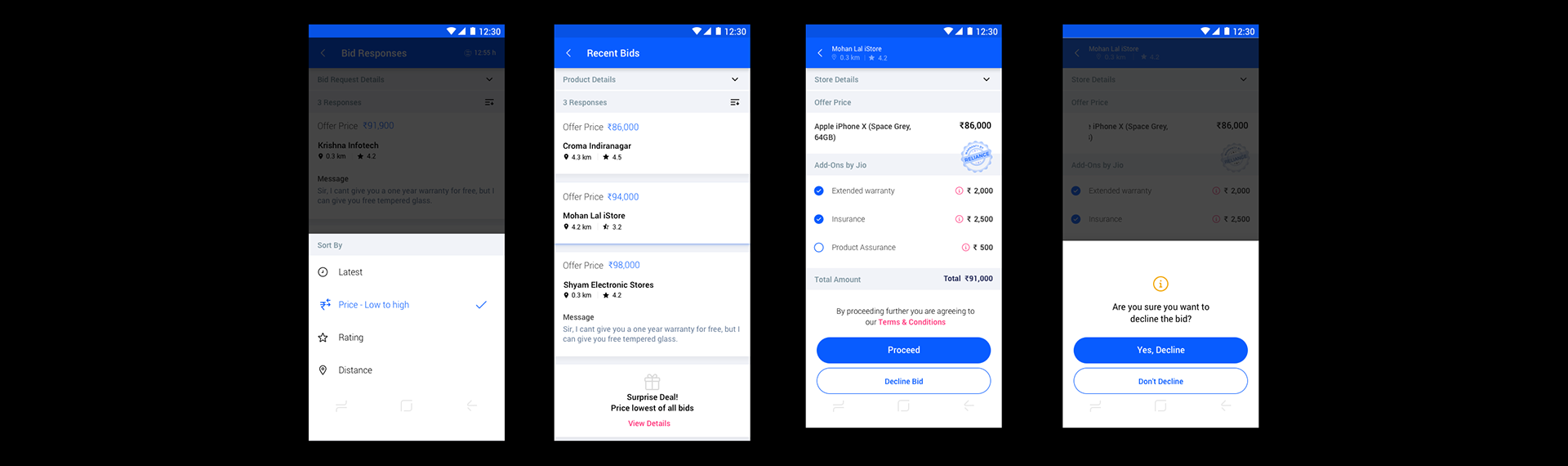
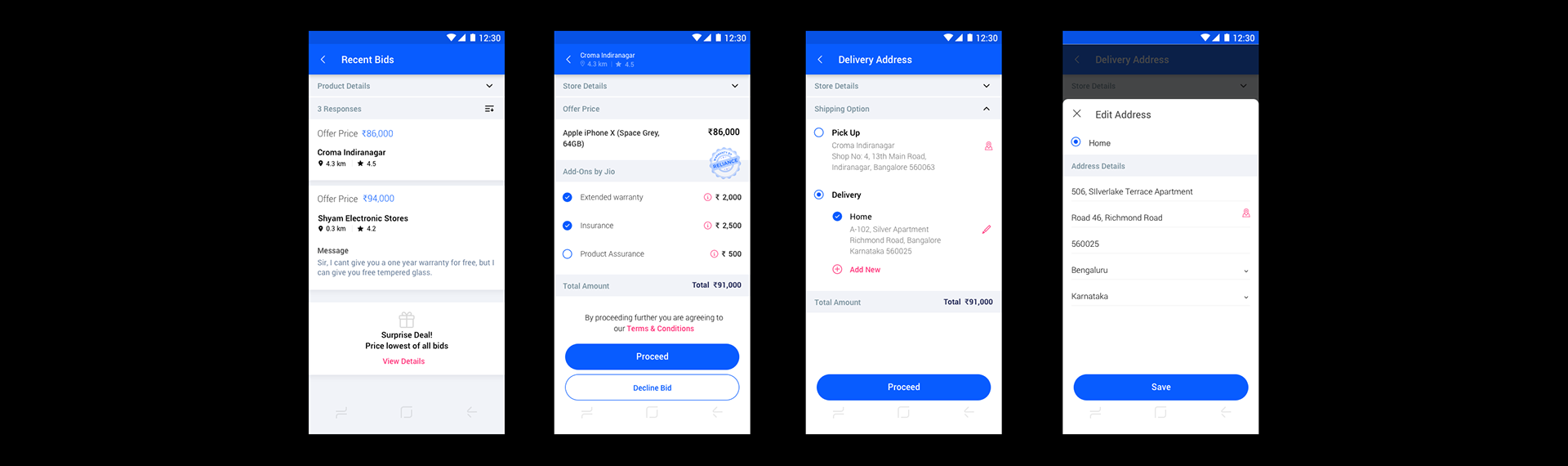
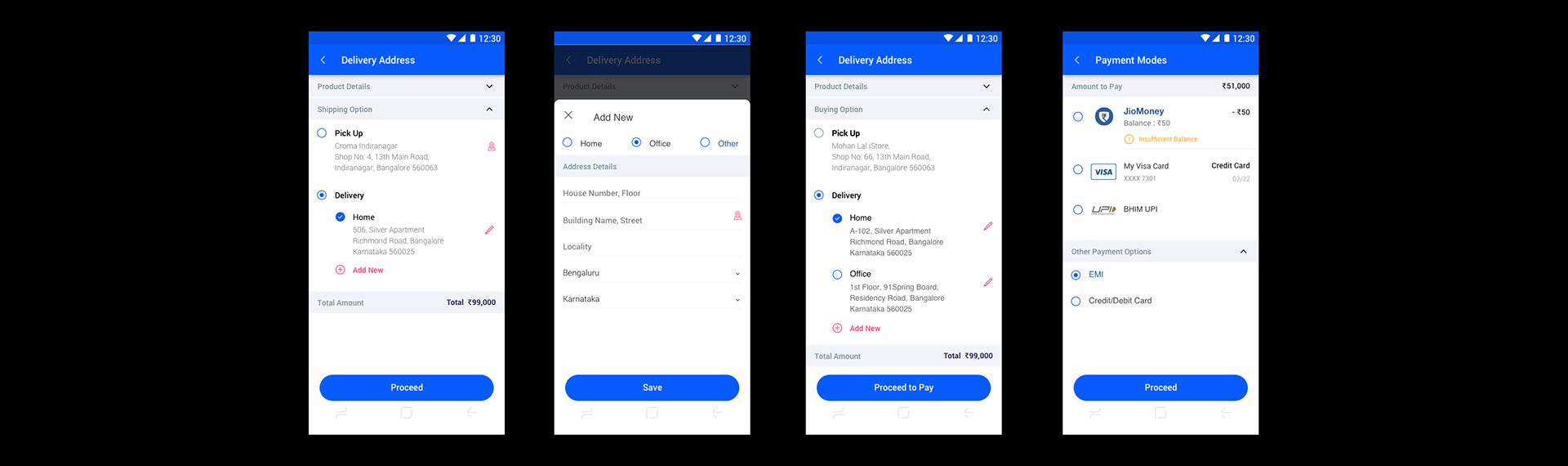
Merchant App - UI (Home > Place Bid > Order Received > Delivered)
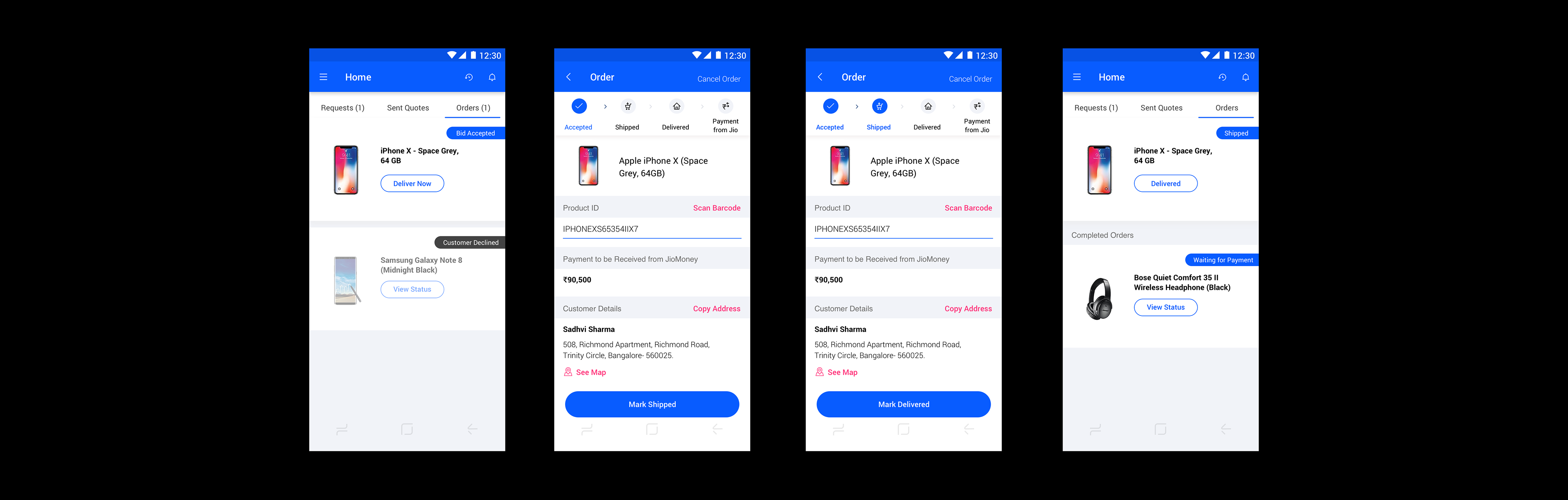
Merchant App - Bids Received > Accept Bid > Payment
04 - Design & Execution
From Wireframes to High-Fidelity
Prototyping Both Sides of the Marketplace
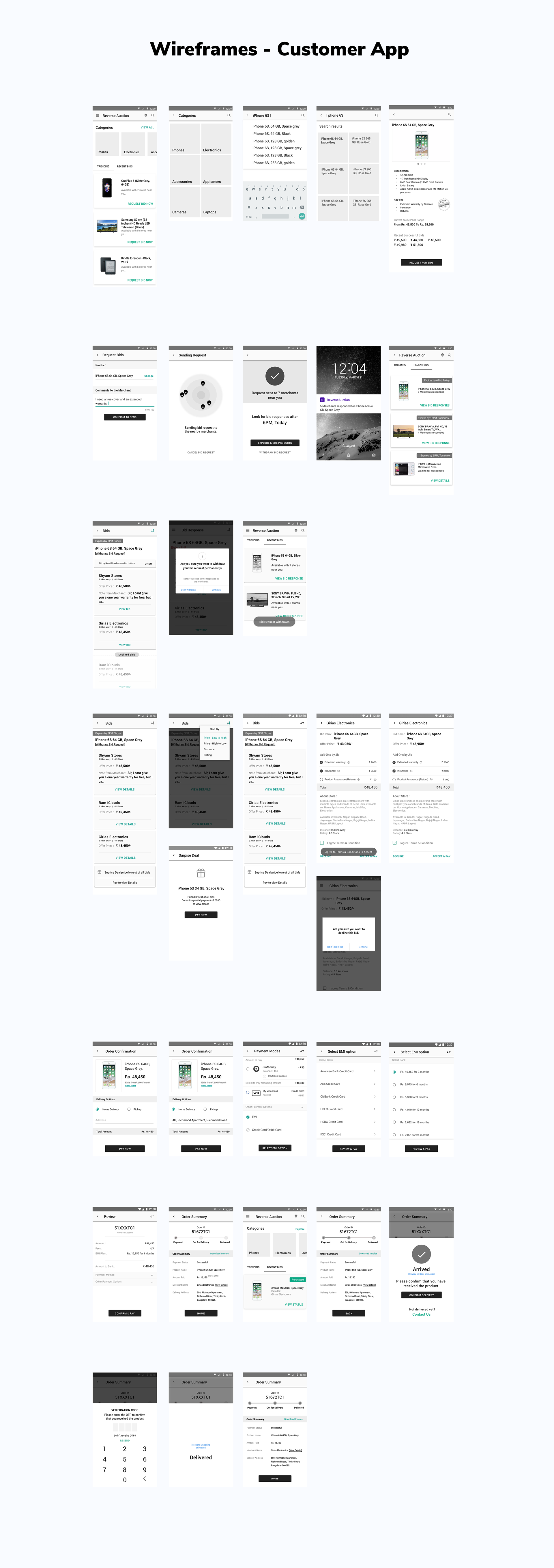
As both UX and Visual Designer, I created end-to-end flows for customer and merchant experiences. The Customer app focused on discovery, bid management, and trust signals (reviews, warranty badges). The Merchant app prioritized speed and clarity - list products, manage bids, and settle payments with minimal friction.
Customer Flows
Browse nearby merchants → Explore auction listings → Place bids → Bid history & notifications → Checkout via JioMoney → Order tracking
Merchant Flows
Product inventory (POS sync) → Create auction listings → View live bids → Accept/reject bids → Mark as sold → Payment settlement
Prototype Testing
Built clickable prototypes in Figma. Presented to product leadership, board members, and external advisors. Secured stakeholder alignment before engineering build.
05 - Testing & Evaluation
HEART Framework & Pivot Evidence
Using Google's HEART Framework to Measure Success
Deployed an alpha with customers and merchants in Delhi and Mumbai. Evaluated using Google's HEART Framework to assess viability beyond vanity metrics:
Happiness
Customer surveys showed strong initial satisfaction, but merchant satisfaction lagged due to margin pressure.
Engagement
Customers engaged frequently with "Deals of the day," but repeat merchant participation was inconsistent.
Adoption
Successfully drove JioMoney adoption among new cohorts, meeting business objectives.
Retention
Merchants showed declining retention - razor-thin auction margins weren't sustainable for their business model.
Task Success
Completion rates were high, but payout amounts were too small for merchants to justify staffing costs.
The Verdict
Electronics auctions had inherent margin limitations - e-commerce had already compressed prices to unsustainable levels. A different category was needed.
06 - Key Design Decisions
Building for Two Sides Simultaneously
01
Metadata bridge between Customer and Merchant apps
The two apps were halves of one marketplace. We designed a real-time metadata sync layer connecting product listings, bid activity, merchant availability, transaction status, and payment settlement. Neither side needed to understand the other's complexity - the metadata layer abstracted it.
02
Language support from day one
Many local merchants operated their phones entirely in regional languages - English-only was a dealbreaker. We prioritized Hindi and regional language support in the Merchant app IA, despite the added UX complexity around language-specific product metadata.
03
Trust signals for customers, profitability indicators for merchants
The Customer app highlighted reviews, proximity, and Reliance's warranty badge. The Merchant app showed sell-through rates, margin percentages, and demand signals. Each side got the information that drove their decisions.
07 - Challenges & Strategic Pivot
Why Electronics Auctions Failed
Five Structural Barriers We Discovered
Merchant Margin Compression
E-commerce had already compressed electronics prices to unsustainable levels. Auctions made it worse - merchants bid margins down to near-zero, making the model economically unviable.
Demotivated Merchants
Outbid merchants lost the sale entirely - no consolation transaction. Lose the auction, lose the customer. This eroded merchant engagement week over week.
Language Barrier at Scale
Despite Hindi and regional language support, many merchants lacked the digital literacy to manage auctions, handle queries, or troubleshoot issues independently.
POS Integration Complexity
Reliance owned a network of POS devices in retail shops, but integrating them with the auction app was technically messy and dependent on merchant adoption of new hardware.
Customer Acquisition Cost
Converting JioMoney's 10M users to auction users required heavy marketing spend. Organic adoption was slow, and paid acquisition ate into margins.
The Pivot to Grocery
Grocery made structural sense: higher purchase frequency, better merchant margins, less price compression, and a natural fit for Reliance's POS devices. The insight: auctions work where margins exist and merchants can survive a lost bid.
08 - Outcomes & Impact
What We Shipped & What We Learned
Alpha V1
Shipped and tested with real merchants and customers in Delhi and Mumbai
5 Barriers
Identified through HEART evaluation that made electronics auctions structurally unviable
Pivot Recommended
Presented evidence-based case to board-level stakeholders for strategic pivot to grocery
Future Vision Enabled
Grocery auction model eventually integrated into MyJio App (331M+ users) under new leadership
09 - Learnings
What Two Years at Reliance Taught Me
🔄
Pivots aren't failures - they're research doing its job. We didn't fail at electronics auctions - we discovered why they wouldn't work. The pivot to grocery was the most valuable outcome because it came from rigorous HEART evaluation. That's the power of metrics that matter.
🌏
Local context shapes UX more than any design principle. Language access, device behavior, merchant literacy, regional payment norms - these shaped the product more than any pattern library. What works for Bangalore consumers doesn't work for small-town merchants. Design must bend to context.
⚖️
Two-sided marketplace design requires holding two mental models. Every customer-side interaction rippled into the merchant experience. You can't optimize one without understanding the other. The complexity was worth it - we were building an economy, not just an app.
💼
Scale and resources unlock different possibilities. Reliance meant access to physical infrastructure (POS devices), 331M+ users (MyJio), and direct board engagement. A startup might have pivoted 5 times; we had the luxury of proving one hypothesis deeply.